
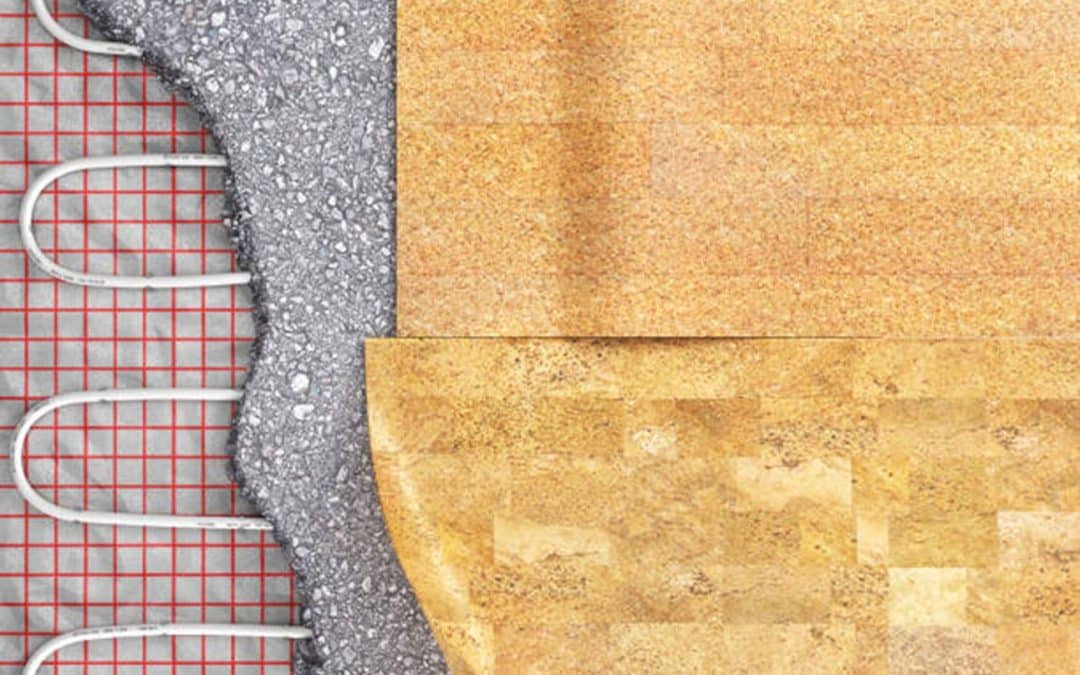
When people install tiles on a floor, they want the tiles to stay strong and not crack. A decoupling membrane is a special layer that goes between the floor and the tiles. It keeps tiles safe when the floor moves or changes. Using a decoupling membrane is different from old ways of laying tiles.
It helps tiles last longer, stay smooth, and avoid cracks. Many people now use a tile uncoupling membrane because it makes tiling easier and protects their floors for a long time.
What is a Decoupling Membrane?
It is like a soft, strong mat that goes under the tiles. Its job is to protect tiles from cracks. When the floor moves a little, the membrane absorbs the movement so the tiles do not break. Some people also call it an uncoupling membrane for tile, but both names mean the same thing.
It separates the tiles from the floor and keeps them safe. This is especially important in homes where the floor can move a little because of changes in temperature, weight, or moisture.
How Tiles Were Installed Before?
Traditionally, people installed tiles by spreading sticky cement directly on the floor and pressing the tiles onto it. This method worked well if the floor was very flat and strong. But if the floor moved even a little, tiles could crack or grout could break.
Cracked tiles are hard to fix. You usually have to remove the tile, clean the floor, and put a new tile in its place. This can take a lot of time and effort.
Another problem with traditional methods is that not all floors are ready for direct tiling. Some floors are old, uneven, or have cracks already. In these cases, tiles can break even if they are installed carefully. That is why more people are switching to using tile uncoupling membranes, because they protect the tiles from these problems.
Why a Tile Uncoupling Membrane is Better?
Using a tile uncoupling membrane has many advantages over traditional methods. First, it stops cracks. Even if the floor moves a little, the tiles stay safe. This is very important in busy areas of the house like kitchens and hallways.
Second, it protects tiles from floor movement. All floors expand and contract a little because of temperature changes. The membrane absorbs this movement so the tiles do not get damaged.
Third, it can protect from water. Some membranes are waterproof, so they are great for bathrooms, basements, or kitchens. This stops water from seeping under the tiles, which can cause damage over time.
Fourth, it makes installation easier. Floors that are old, uneven, or difficult to work on can become much easier to tile when a membrane is used. The membrane acts like a smooth, protective layer between the floor and the tiles.
Types of Decoupling or Uncoupling Membranes
There are several types of uncoupling or decoupling membranes available today.
- Sheet Membranes: These are large sheets that you roll out or stick on the floor. They cover the entire area and give strong protection.
- Peel-and-Stick Membranes: These are easy to use for smaller areas. They have adhesive on the back, so you just peel the layer and stick it on the floor.
- Modular Grids: These are panels that click together. They give extra strength and help keep tiles stable.
All these types do the same main job. They protect the tiles from floor movement, cracks, and water damage. Choosing the right type depends on the size of the floor and the project.
How Installation Works?
Traditional Tile Installation
- Clean and prepare the floor.
- Spread sticky cement directly on the floor.
- Place the tiles on the cement.
- Let it dry, then put grout in the spaces between tiles.
Tile Installation with Decoupling Membrane
- Clean and prepare the floor.
- Lay down the decoupling membrane carefully according to instructions.
- Spread sticky cement over the membrane and place the tiles.
- Let it dry and fill the spaces with grout.
The membrane acts like a soft layer that absorbs movements. Even if the floor moves or cracks a little, the tiles above remain safe and smooth.
When to Use a Decoupling Membrane?
A decoupling membrane is helpful in many situations.
- Floors that are old or uneven. Tiles are safer when a membrane is used.
- Floors with heating systems underneath. Heat can make the floor expand and contract. The membrane protects the tiles from this movement.
- Areas with water, such as bathrooms, kitchens, or basements. Waterproof membranes prevent water damage.
- Floors that will have a lot of foot traffic, like halls or commercial areas. Tiles last longer when the floor is protected.
Even for small projects, using a membrane is smart because it keeps the tiles in good condition for many years.
Cost of Using a Membrane
A tile uncoupling membrane can cost a little more than traditional methods at the beginning. But it is worth it because it protects the tiles from cracks, water damage, and uneven floors. It also saves time and money on repairs in the future. Using a membrane makes your tiles last longer, look better, and stay safe for years.
People Also Ask
- What is a decoupling membrane and how is it different from old tile methods?
A decoupling membrane is a soft layer between the floor and tiles. It protects tiles from cracks when the floor moves. Old methods glue tiles straight to the floor. If the floor moves, the tiles can break. The membrane acts like a cushion for tiles. - Can I use an uncoupling membrane for any tile?
Yes, you can use it with ceramic, porcelain, and stone tiles. Some tiles may need a special type of membrane, so it is important to read the instructions. The membrane makes almost any tile installation stronger. - How does a tile uncoupling membrane stop cracks?
The membrane absorbs movement from the floor. Cracks in the floor stay under the membrane and do not reach the tiles. It is like a protective layer that keeps tiles safe. This helps tiles last much longer. - Is it hard to install a decoupling membrane?
Most membranes are easy to install. You just lay them on the floor and stick the tiles on top. For big floors or tricky shapes, a professional can help. Installation is much faster and safer than traditional tiling. - Will an uncoupling membrane make the floor higher?
Yes, the floor will be a little higher because of the membrane. The increase is small but should be checked for doors and edges. Overall, the benefits of protecting tiles are much greater than the small height change.
Contact Us Now!!
A decoupling membrane is a smart choice for anyone installing tiles. It stops cracks, protects from floor movement, and can prevent water damage. Using a membrane makes tiles last longer and keeps them smooth. Old methods may work on perfect floors, but membranes give extra safety.
If you want your floors to stay beautiful for many years, trust us at Perfect Primer. We can help you choose the right tile uncoupling membrane for your home or project. Using our guidance makes installation easier and ensures your tiles are safe, strong, and long-lasting.


