
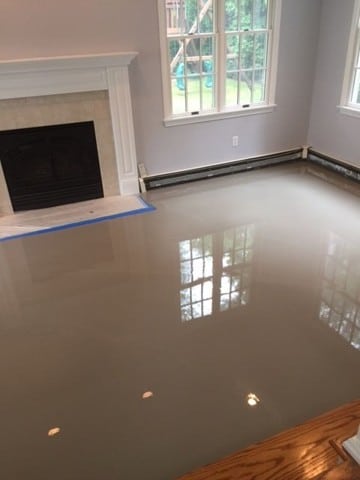
Strong floors start with a strong foundation, and the right coating system can make all the difference. Epoxy Paint and Primer Systems help protect surfaces and improve coating performance, but many people wonder if they really need two separate products.
This guide explains how epoxy paint and primer work together in simple words. You will learn when a primer is needed, when one product may work, and how proper preparation helps create a longer lasting and stronger floor coating system.
What Is the Difference Between Epoxy Paint and Primer?
Many people think epoxy paint and primer do the same job. However, they each have a different role. A good coating project often needs both products because they help the surface in different ways.
Epoxy Paint: The Protective Finish
Epoxy paint is the top layer that people see after a floor coating project is finished. It gives the surface a clean look and helps protect it from daily damage.
Epoxy paint helps floors handle:
- Heavy walking and foot traffic
- Cars and moving equipment
- Spills and stains
- Chemicals and cleaning products
- Regular wear and tear
It is commonly used in garages, workshops, warehouses, and other areas where floors need extra protection.
However, epoxy paint works best when it has a strong surface underneath. If the floor has dirt, cracks, old coatings, or other problems, the paint may not stick properly.
Primer: The Strong Base Layer
Primer is the layer that goes before the final coating. Think of primer as the helping hand that prepares the surface.
A primer helps:
- Create a stronger bond between the floor and coating
- Cover small surface problems
- Reduce uneven absorption
- Prepare difficult surfaces
- Help the final coating look smoother
A good primer creates a better starting point for epoxy paint and other coating materials. PerfectPrimer® helps seal and prepare challenging surfaces before applying coatings such as epoxy, paint, decorative cement, and other flooring systems.
Do You Always Need Both Primer and Epoxy Paint?
The simple answer is no, not every project needs two separate products. However, many surfaces can benefit from using both.
Some people skip primer because they want to save time. But skipping this step can sometimes lead to problems like peeling, weak bonding, and early coating damage.
A separate primer may be a smart choice when:
- The Surface Is Old or Damaged
Older floors may have years of dirt, stains, cracks, or previous coatings. These problems can make it harder for epoxy paint to stick.
A primer helps create a cleaner and stronger base so the final coating can work better.
- The Surface Has Difficult Materials
Some floors have old glue, tile remains, or other materials that are hard to remove. Removing these materials can take extra time and effort.
A specially designed primer can help prepare these surfaces and create a better foundation for the final coating.
- Moisture or Absorption Is a Problem
Concrete floors can absorb moisture because they have tiny spaces inside them. This can affect how well a coating sticks. A primer can help create a more even surface and improve the connection between the floor and the coating.
- You Want Long-Lasting Results
A floor coating is an investment. Using the right preparation steps can help the coating last longer and reduce the need for repairs. A strong base can help protect the final finish for many years.
When Can You Use a Single Product System?
Some coating products are designed to work as a single solution. These products may combine sealing, priming, and painting features in one application. A single product system can be useful for certain projects where the surface is already in good condition.
However, choosing between a single product and a two-product system depends on several things, including:
- The condition of the surface
- The type of floor material
- How much traffic the area receives
- Exposure to water or chemicals
- The level of protection needed
A small home area may need a different solution compared to a busy commercial floor.
Why Surface Preparation Matters More Than the Paint Itself?
Many coating problems happen because the surface was not prepared correctly. Even the best paint cannot perform well if it is applied on a weak or dirty surface.
Before applying epoxy paint, ask these questions:
- Is the surface clean?
- Is the floor completely dry?
- Are there old coatings or adhesives?
- Does the surface have cracks or damage?
- Does the floor need a primer?
Good preparation helps the coating attach properly and improves the final result.
The best coating systems are made when the primer and finish coat work together. Each product has a purpose, and using the right combination can create a stronger and more reliable surface.
Benefits of Using a Primer Before Epoxy
Using a primer before epoxy can provide many advantages.
- Better Adhesion
Primer helps the coating stick better to the surface. This reduces the chance of peeling or lifting.
- Smoother Appearance
Some surfaces absorb paint unevenly. Primer helps create a more balanced base, which can improve the final look.
- Stronger Protection
A prepared surface allows epoxy coatings to better protect against moisture, stains, and daily use.
- Fewer Future Repairs
Taking time to prepare the surface can help prevent coating problems later. This can save time and money in the future.
Connect With Us!!
Choosing the right coating method depends on your surface needs and project goals. Epoxy Paint and Primer Systems can provide better results when the right products are used correctly.
At Perfect Primer, we help customers prepare surfaces and create strong coating solutions with confidence. Our products are designed to support better bonding and smoother finishes for many applications. Contact us to learn how we can help you build a durable surface with the right primer and coating system for success.
Common Questions About Epoxy Paint and Primer Systems
- Can I apply epoxy paint directly over concrete?
Yes, but the concrete must be clean, dry, and properly prepared. Some surfaces may need primer for better results.
- Is epoxy primer the same as epoxy paint?
No. Epoxy primer prepares and strengthens the surface, while epoxy paint provides the protective finishing layer.
- Can any primer be used with epoxy coatings?
No. The primer should match the coating system. Always check that both products are suitable to use together.
- Does primer help epoxy coatings last longer?
A suitable primer can improve bonding and help create a stronger coating system, which may improve long-term performance.
- Is a single product coating system better than using primer and paint separately?
It depends on the project. A single product may work well for simple applications, while separate primer and epoxy systems can be better for challenging surfaces.


