
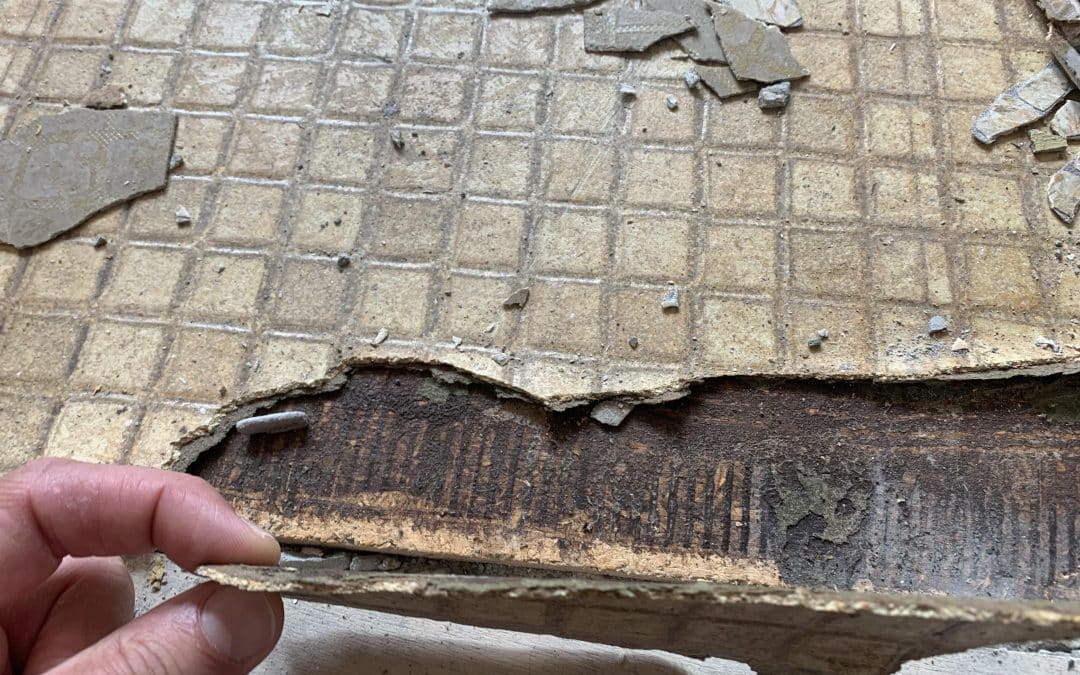
SOURCE: Office of Toxic Substances, United States Environmental Protection. Agency of toxic
substances Guidelines. June 1981
Definitions.
Abatement: “Abatement” shall mean any, and all procedures physically taken to control fiber
release from asbestos-containing materials. This includes removal, encapsulation, enclosure,
cleanup and repair.
Disturb: “Disturb” shall mean any [action taken which may alter, change, or stir, or repair of
asbestos-containing material. Activity that disrupts, impregnates, or strips the matrix of ACM
or PACM, or that generates debris, visible emissions, or airborne asbestos fibers from ACM or
PACM.
Encapsulation: “Encapsulation” shall mean the coating or spraying of asbestos containing
56-8.7 Encapsulation Procedures. All material used for repair or encapsulation of asbestos
material shall have a flame spread rating, fireproofing and smoke characteristics similar to
the material being repaired or encapsulated.
Repair Materials: Damaged and missing areas of existing materials shall be repaired with non
asbestos material. The material shall adhere to existing surfaces and provide a base for
application of encapsulating agents.
Testing of Encapsulants: (Relevant only for Friable materials).
Encapsulants shall be field tested prior to use by applying each to a small area to determine
suitability for the material to be encapsulated. Testing shall be conducted only after the
isolation barriers are in place and negative air has been established.
Bridging Encapsulants:
Thickness Requirements. Bridging encapsulants shall be applied to provide the Manufacturer’s
specified minimum dry-film thickness over sprayed asbestos surfaces material with
an encapsulant.
Encapsulant Solvent or Vehicle. The encapsulant solvent or vehicle shall not be or contain
a volatile material. It shall not release hazardous air pollutants, as defined by NYS
DEC 6 NYCRR 200.1(ag), into the air when applied or during curing.
Advantages of Encapsulation:
Encapsulation can control asbestos exposure problems without necessitating the removal of
asbestos containing materials. Encapsulation may be a practical means of preventing the release
of asbestos fibers into the air and reducing the exposure to asbestos
Encapsulation is usually the quickest method of control. Encapsulation is a less complicated task
than the removal of task than removal of asbestos containing materials. Removal is likely to be
a more involved and time-consuming process.
Toxicity:
An encapsulant should not release substances into the air when it is applied. The liquid part of
black mastic consists entirely of hydrocarbons. Solvent and oil based encapsulants are NOT
recommended. These create a toxic sludge that releases the hydrocarbons dangerous to the
workers and numerous VOC’s carcinogenic vapors.
Methods of Application:
Bridging encapsulants should be applied in two or three separate coats with time allowed
between each coat to allow the encapsulant to cure. Manufacturers specifications should
be followed.
Flammability:
The encapsulant, once applied, should not be flammable. EPA recommends strongly that
encapsulants have a class ASTM “A” fire rating. (i.e. a flame spread index of 25 or less) the
encapsulant should not release any toxic materials after it is dry. Even if it burns, the
encapsulant should not release toxic gases or an undue amount of smoke.
Other qualities:
There are six characteristics described by ASTM as desirable properties for encapsulants. The
The first four are essential and the last two are less critical but desirable depending on the use
circumstance.
1: The encapsulant should form a tough membrane over the surface of the materials.
2: The encapsulant should be able to withstand some abuse without allowing for the release of
any fibers.
3: The encapsulant should be water insoluble when cured.
4: The encapsulant should have sufficient integrity after a minimum of six years, to allow for
recoating
5: The encapsulant should not destroy the acoustical properties of the ACM. (where relevant)
6: The encapsulant should allow for top-coating by conventional paints.


