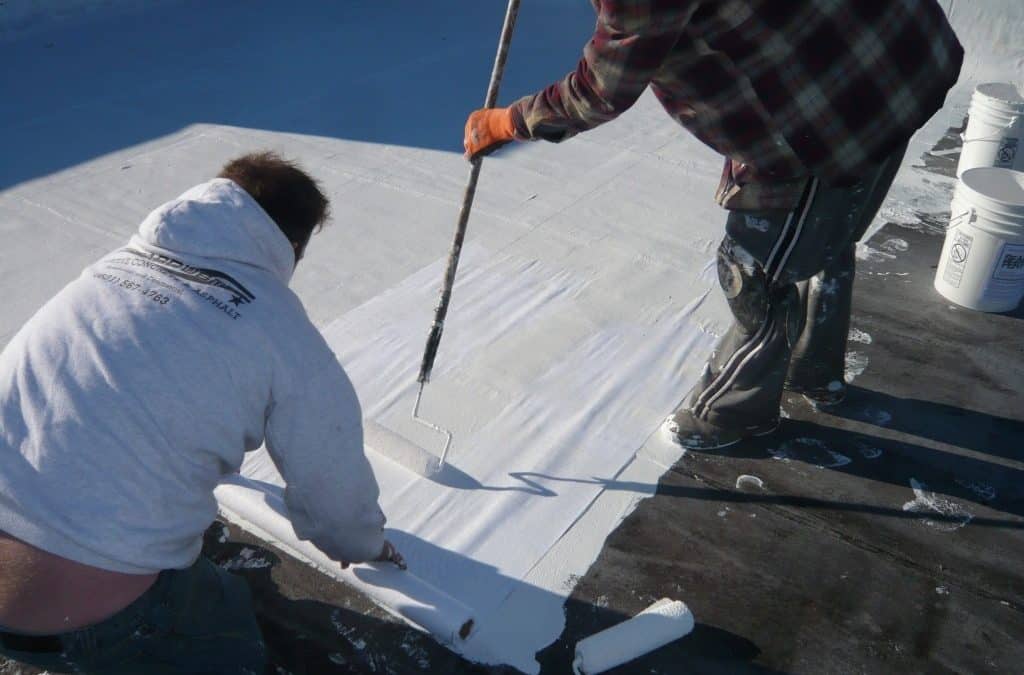
Old concrete floors can hide a risk that is not easy to see. Some old floor tiles and black adhesives contain asbestos, a material that can harm health when tiny fibers enter the air. Asbestos encapsulation helps manage this risk by sealing the material instead of removing it.
This method may also help prepare the floor for a new surface when the right product is used. Understanding the process helps you make safer choices before painting or installing new flooring.
What Is Asbestos Encapsulation On Concrete Floors?
Asbestos encapsulation means covering asbestos-containing material with a special coating. This coating helps keep harmful fibers from escaping into the air.
On concrete floors, asbestos may be found in old vinyl tiles, black floor glue, or a material called mastic. These materials may look harmless, but disturbing them can release tiny fibers that are dangerous to breathe.
Encapsulation keeps the material in place and covers it with a protective layer. It may be a suitable choice when the material is in good condition and the right product is used.
However, encapsulation does not remove asbestos. It helps control the risk by keeping the material covered and undisturbed.
How Does Asbestos Encapsulation Work On Concrete Floors?
Asbestos encapsulation follows a careful process. The floor is checked, prepared safely, coated with a suitable product, and left to dry before new flooring is added.
- Check the Existing Floor
First, find out whether the floor contains asbestos. Old tiles and black glue may contain it, but you cannot know for sure just by looking.
If you suspect asbestos, do not scrape, sand, or break the material. Ask a trained asbestos professional to inspect it and arrange testing if needed.
- Prepare the Floor Safely
The coating needs a suitable surface to stick properly. However, preparing a floor that may contain asbestos requires care.
Do not grind, sand, or scrape the material to make it smooth. These actions can release harmful fibers. Follow the product instructions and get professional help if the floor needs work that could disturb the material.
- Apply the Encapsulating Primer
A special primer creates a protective layer over the old material. It should stick well to the surface and work with the new flooring.
For example, PerfectPrimer is designed to seal and prime difficult surfaces, including concrete and black mastic. Its product information describes a system that does not require grinding the mastic.
Always follow the latest instructions for the correct number of coats, drying time, and surface preparation.
- Let the Coating Dry
The coating needs enough time to dry or cure before you add another layer. If you install flooring too soon, the new surface may not stick properly.
Check the product instructions for drying times and suitable conditions.
- Add the New Flooring
Once the coating is ready, you may be able to add tile, epoxy, or another suitable floor finish.
Make sure the primer works with both the old surface and the new flooring. Using products that do not work well together can lead to peeling or poor bonding.
Which Asbestos Encapsulation Materials Work Best On Concrete?
Not every primer or paint can seal asbestos safely. Regular paint may cover the surface but may not stick well to old floor glue.
When choosing asbestos encapsulation materials, check these important points:
- Strong bonding: The product should stick well to the surface it is made for.
- Works with new flooring: Check whether it can be covered with tile, epoxy, or another planned finish.
- Clear instructions: Look for details about coats, drying time, and coverage.
- Long-lasting protection: The coating should stay in good condition and be checked over time.
PerfectPrimer is one option for sealing and priming difficult surfaces, including certain concrete and mastic applications. Read its product instructions to check whether it suits your floor.
Can You Use Concrete Floor Paint Over Asbestos?
Sometimes, a floor can receive a new coating after proper encapsulation. However, concrete floor paint is not always suitable for sealing asbestos.
Regular paint may not stick well to old black glue or provide the protection needed for this job. Simply painting over a floor does not prove that the asbestos has been safely sealed.
For example, a floor that will receive tile or epoxy may need a special primer first. The right product depends on the old material and the type of flooring you want to install.
Before choosing paint for concrete floor projects involving possible asbestos, check that the product is suitable for the surface and the planned finish.
What Does The EPA Say About Asbestos Encapsulation?
The US Environmental Protection Agency (EPA) recognizes encapsulation as one way to manage some asbestos-containing materials.
However, it is not the right choice for every floor. Damaged materials may need special care or professional removal. Some building projects must also follow federal, state, or local asbestos rules.
The EPA provides helpful information in its guidance for building owners and managers.
Always follow local rules and product instructions. Do not assume that a product is approved for every asbestos project simply because it is sold as an encapsulant.
When Should You Choose Encapsulation Instead Of Removal?
Encapsulation may be suitable when the asbestos-containing material is stable, in good condition, and safe to cover with the right product.
It may help avoid disturbing the old material. However, if the floor is badly damaged or the material cannot be safely sealed, professional removal or another approved method may be needed.
If you think your floor contains asbestos, leave it undisturbed and contact a qualified asbestos professional for advice.
Frequently Asked Questions
- Can asbestos mastic be sealed directly on concrete?
Yes, some asbestos-containing mastic can be sealed directly on concrete. The surface must be suitable, and the product must be designed for that use. Avoid disturbing the material during preparation.
- How many coats are needed for asbestos encapsulation?
The number of coats depends on the product. PerfectPrimer’s published instructions specify two coats for its listed applications. Check the latest instructions before starting.
- Can regular paint seal asbestos on concrete floors?
Regular paint should not be treated as an asbestos encapsulant. Choose a product designed for the material and the type of flooring you plan to install.
- Is encapsulation safer than asbestos removal?
Encapsulation can reduce the chance of releasing fibers when suitable material is left undisturbed. However, it is not right for every situation. A qualified professional can help decide which method is best.
- Can I install new flooring after encapsulation?
Yes, if the coating is suitable and has dried or cured as instructed. Tile, epoxy, and other finishes may be possible, depending on the product and floor conditions.
Choose The Right Solution For Your Concrete Floor
A safe floor starts with the right product and careful planning. Encapsulation can help control risks from suitable old flooring materials and prepare the surface for a new finish. Regular paint is not always enough, so check product instructions and make sure the coating works with your planned flooring.
At PerfectPrimer Products, we offer PerfectPrimer for sealing and priming suitable difficult surfaces. Visit our product page to learn more about our asbestos encapsulation solution