When old buildings age, some hidden things can become risky. One of these is asbestos. It can stay in floors, ceilings, and walls for many years. People do not always see it, but it can still be there. That is why asbestos encapsulation materials are used. These materials help cover and lock the asbestos so it does not spread into the air.
Think of it like putting a strong cover over something dusty. If the dust stays inside, it cannot fly around. This is the basic idea behind safe sealing work.
This guide will help you understand how to choose the right materials in a very simple way. It will also help you know what to look for and what to avoid.
What Asbestos Encapsulation Means
Asbestos encapsulation is a way to keep asbestos safe without removing it. Instead of breaking or scraping it, people cover it. This keeps the tiny fibers trapped inside. It is like putting glue on sand so it does not blow away in the wind. The asbestos stays in place, and the air stays cleaner.
This method is often used when the material is still strong and not falling apart. It saves time and reduces risk.
Why Choosing the Right Material Matters?
Not all products work the same way. Some are strong. Some are weak. Some last long. Some break quickly.
If the wrong product is used, the cover may crack. Then the asbestos can become unsafe again. That is why choosing carefully is very important.
Good materials should:
- Stick well to old surfaces
- Stay strong for a long time
- Not crack easily
- Block dust and fibers
- Work in different rooms and conditions
Simple choice can make a big difference in safety.
Understanding Asbestos Encapsulation
Asbestos encapsulation is the process of sealing asbestos so it cannot escape into the air. It is a safe method when done correctly. It does not disturb the material. It only covers it.
People use this method on floors, ceilings, and old building parts. It helps keep homes and workplaces safer.
It is like wrapping a gift very tightly. Once wrapped, nothing comes out.
This method is often chosen because it is less messy and less risky than removing asbestos completely.
Types of Materials Used for Encapsulation
There are different types of coatings used for this job. Each one works in a different way.
Some coatings are thick. They sit on top like a shield. Others go inside the surface and hold it together.
Here are the simple types:
- Thick coatings that form a hard layer
- Liquid coatings that soak inside
- Special sealers made for floors and ceilings
Each type is chosen based on the surface condition.
Choosing the Right Coating
Picking the right coating is very important. You must think about where it will be used.
For floors, the coating must be strong because people walk on it. For ceilings, it must stick well because gravity pulls it down.
A good coating should:
- Stay stuck for a long time
- Handle heat and cold
- Not peel off
- Stay smooth and even
If the coating fails, the surface becomes unsafe again. That is why careful choice matters.
Asbestos Encapsulation Paint
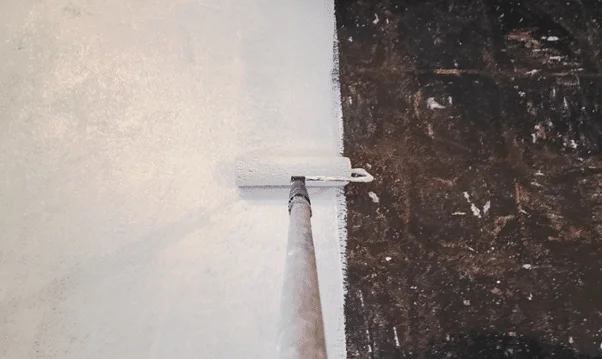
Now let us talk about asbestos encapsulation paint. This is a special kind of paint made to cover asbestos safely. It is not like normal paint. Regular paint is not strong enough.
This special paint creates a thick and safe layer. It locks the asbestos underneath.
It is often used on:
- Old floor glue
- Ceiling textures
- Wall coatings
- Industrial surfaces
This paint must be strong, flexible, and long lasting. It must not crack when the surface moves a little.
Using the right paint helps keep the area safe for a long time. It acts like a strong skin over the surface.
How to Pick the Best Paint?
When choosing this paint, look for simple things:
- It should stick very well
- It should dry into a strong layer
- It should not peel off easily
- It should work on old surfaces
You should also check if it is made for safety jobs. Not all paints are designed for asbestos work.
Good paint helps seal the surface and reduce risk.
Common Mistakes to Avoid
Many people make mistakes when dealing with old asbestos areas. These mistakes can be risky.
Here are some common ones:
- Using normal paint instead of special coatings
- Scraping or breaking the surface
- Skipping cleaning before applying coating
- Choosing cheap products that do not last
These mistakes can make the problem worse instead of better.
It is always better to go slow and use the right product.
Safety First Approach
Safety should always come first. The goal is not to disturb asbestos but to cover it safely.
Always make sure:
- The surface is clean
- The coating is applied evenly
- The product is made for asbestos use
- The area is not damaged before sealing
Think of it like covering a fragile object. You do not shake it. You protect it.
When to Use Encapsulation
Encapsulation is helpful when the asbestos is still in good condition. If it is not breaking or falling apart, it can often be sealed safely.
It is used in homes, schools, offices, and old buildings.
It works best when:
- The surface is stable
- There is no heavy damage
- You want to avoid removal work
- You want a quick safety solution
If the material is badly damaged, experts may suggest removal instead.
Simple Tips for Better Results
Here are easy tips to get better results:
- Clean the surface before applying anything
- Do not rush the job
- Use even layers
- Let each layer dry properly
- Follow instructions carefully
These small steps make a big difference.
Why Proper Choice Saves Money and Time?
If you choose the right material at the start, you save money later. You avoid repairs. You avoid rework. You avoid safety problems. Good materials last longer. That means fewer repairs and less stress.
It is always better to do it right the first time.
Connect With Us!!
Choosing the right paint for asbestos is not just about looks. It is about safety, strength, and long-term protection. The right product helps seal harmful fibers and keeps the environment safer for everyone.
Simple choices lead to strong results. When you use proper materials, you protect people and buildings at the same time.
At Perfect Primer, we work with safe and tested solutions for sealing difficult surfaces. We focus on helping people handle old and risky materials with care. Our goal is to make surfaces safer and easier to manage using trusted methods that work in real life.


