Rust can spread faster than many people think. A small rusty spot can turn into a big problem if it is not treated on time. Rust can make metal weak, damage its look, and shorten its life. That is why choosing the right repair method is important.
Many people still remove rust by sanding or grinding, while others prefer rust converter paint because it is easier and faster. This guide explains both methods in simple words to help you choose the best option for your project.
Understanding Rust and Why It Needs Immediate Attention
Rust forms when metal comes into contact with air and water for a long time. This chemical reaction slowly eats away at the metal. If rust is ignored, it continues to spread deeper into the surface. Over time, the metal becomes weaker and more expensive to repair.
Fixing rust early helps keep metal strong and looking good. It also saves money because small repairs are much easier than replacing damaged metal.
What Is Rust Converter Paint?
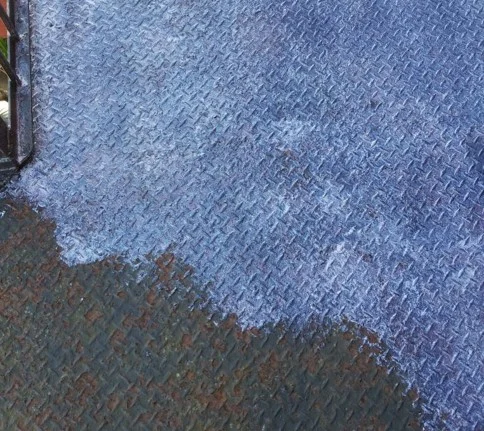
It is a special coating that changes rust into a stable surface instead of removing it completely. It reacts with rust and turns it into a hard black layer that protects the metal underneath.
After the surface is treated, it becomes ready for another coat of paint. This means you do not have to spend hours removing every bit of rust before painting.
Key Benefits of Rust converter coating
- Changes rust into a stable surface.
- Reduces the amount of sanding and grinding.
- Saves time during surface preparation.
- Creates a good base for paint.
- Helps protect metal from future rust.
- Suitable for homeowners and professionals.
Traditional Rust Removal Methods
Before rust converter coating became popular, people mainly removed rust by using tools or chemicals. These methods are still useful today, especially for heavy rust.
- Wire Brushing
A wire brush removes loose rust and old paint from the metal surface. It is simple to use and works well for small jobs. However, it takes time and effort because you must scrub the surface by hand. It also cannot remove deep rust that has already entered the metal.
- Sanding or Grinding
Power sanders and grinders remove rust by scraping it away. These tools clean the surface well and prepare it for painting. They work faster than hand tools, but they create a lot of dust. They can also damage thin metal if they are not used carefully.
- Sandblasting
Sandblasting uses high-speed abrasive materials to clean metal. It is very effective for large projects and thick rust. Many industries use this method because it cleans quickly. However, it requires special equipment, costs more money, and creates a lot of dust and cleanup.
- Chemical Rust Removers
Chemical rust removers dissolve rust with special ingredients. They are useful for metal parts with small spaces that are difficult to reach with tools. Some products need more than one application, and careful handling is important because certain chemicals can be strong.
Rust Converter Paint vs Traditional Rust Removal
The table below shows how the two methods compare.
| Feature | Rust Converter Paint | Traditional Removal |
| Surface preparation | Minimal | Extensive |
| Labor required | Low | High |
| Dust generation | Very little | Significant |
| Equipment needed | Basic painting tools | Power tools or blasting equipment |
| Time required | Faster | Slower |
| Cost | Often lower overall | Can become expensive |
| DIY-friendly | Yes | Sometimes challenging |
| Paint-ready surface | Yes | Usually requires additional priming |
For many home and maintenance projects, rust converter paint is an easier and quicker solution.
When Traditional Rust Removal Still Makes Sense
There are times when traditional rust removal is still the better choice.
You may need physical rust removal if:
- The metal is badly damaged.
- Thick rust covers the surface.
- The metal needs welding.
- The project requires completely clean bare metal.
- Rust has weakened the structure.
In some projects, people first remove loose rust and then apply rust remover paint for extra protection.
Surface Preparation Still Matters
Even though Rust converting paint saves time, the surface should still be cleaned before applying it. Remove loose rust, dirt, grease, and old peeling paint. Make sure the surface is dry before you start painting. Following the product instructions also helps the coating last longer.
Good preparation gives better results and helps the paint stick properly.
Don’t Forget the Concrete Around Metal Surfaces
Many repair projects include concrete as well as metal. Garages, warehouses, and workshops often have old flooring glue left behind after removing tiles or flooring. This is why removing mastic from concrete is an important step before installing new flooring or applying protective coatings.
Old adhesive can stop new coatings from sticking properly. A good mastic removal helps clean the concrete and prepares it for the next stage of the project. Taking care of both the metal and the concrete gives a cleaner finish and longer-lasting results.
Which Option Is More Cost-Effective?
The total cost of a project is not just about buying one product. It also includes labor, tools, and cleanup.
Traditional rust removal often needs grinding discs, sandpaper, safety equipment, and extra working hours. Renting machines can also increase the cost.
Since rust converter coating needs less preparation, many projects can be completed faster with fewer tools. This helps reduce both labor costs and overall project expenses.
Best Applications for Rust converter coating
It works well on many metal surfaces. It is commonly used on fences, gates, railings, trailers, outdoor furniture, farm equipment, storage tanks, industrial machinery, steel structures, and metal roofs.
It is a great choice when removing every bit of rust is not practical but long-lasting protection is still needed.
Connect With Us!!
Choosing the right rust treatment depends on the condition of your project. Traditional methods are still useful for heavy rust, but they often require more time, equipment, and hard work. Modern solutions can make many restoration jobs faster and easier while helping protect metal for years to come.
Using the right products for every stage of surface preparation also improves the final result. At Perfect Primer, we provide reliable solutions that help homeowners and professionals complete projects with confidence. Whether you are preparing metal or cleaning old surfaces with a quality mastic remover, we are here to help you achieve long-lasting results.
People Also Ask (FAQs)
- Does rust converter paint completely remove rust?
No. Rust converting paint does not remove rust. It changes the rust into a stable layer that helps protect the metal and creates a good surface for painting.
- Is rust converter paint better than grinding?
For light and medium rust, rust converter paint is often easier and faster. Grinding is usually better when the rust is very thick or the metal is badly damaged.
- Can rust converter paint be applied over loose rust?
No. Loose and flaking rust should be brushed away first. The product works best on rust that is firmly attached to the metal.
- Why is removing mastic from concrete important before installing new flooring?
Removing mastic from concrete helps create a clean surface. This allows new flooring or coatings to stick properly and last much longer.
- When should I use a mastic remover?
A mastic remover should be used when old flooring adhesive remains on concrete after flooring has been removed. It helps prepare the surface for primers, coatings, or new flooring.


