The ocean looks calm, but its salty air can quietly damage metal every day. Coastal places face special challenges because salt and moisture make rust grow faster. Understanding how this happens helps people choose better protection methods.
Rust converting paint is one helpful solution because it can change existing rust into a stronger surface before painting. This guide explains what salt air does differently and how to protect metal in coastal areas with simple steps and tips for longer protection.
Why Coastal Climates Cause Faster Rust Formation?
Metal is strong, but it can become weak when it faces water and air for a long time. This process is called rusting. Rust happens when iron or steel reacts with oxygen and moisture. People who live near the ocean often see rust appear faster than people who live far away from the coast. The main reason is salt in the air.
Salt from the sea travels through the wind and lands on metal surfaces. When salt mixes with moisture, it creates the perfect condition for rust to grow quickly.
Coastal areas often have:
- High humidity
- Sea spray from waves
- Salt left behind after water dries
- Frequent moisture exposure
- Wind carrying salty particles
In normal areas, metal may dry after rain or humidity. Near the ocean, salt keeps moisture on the surface for longer. This gives rust more time to form and spread.
What Salt Air Does Differently to Painted Metal?
Many people think paint alone can fully protect metal. Paint does create a protective layer, but coastal weather can slowly damage that layer.
Salt air creates special problems that make metal protection more difficult.
- Salt Enters Small Damage Areas
Even the best paint can have tiny cracks or scratches. These small openings allow salt and water to reach the metal underneath. Once salt reaches the surface, rust can begin growing. Over time, the paint may start peeling, bubbling, or breaking away.
- Rust Grows Under Paint
Rust does not simply stay on the outside. It can grow under a paint layer and push the paint away from the metal. This is why a painted metal gate, railing, or outdoor tool may look fine for months and suddenly show signs of damage.
- Moisture Stays Longer Near the Coast
Coastal air often contains more moisture than dry inland areas. Because the surface stays wet for longer periods, rust gets more time to develop. This makes coastal metal care more important than regular metal maintenance.
How Rust Converting Paint Helps in Coastal Environments?
Removing rust completely can sometimes be difficult. Large metal structures, outdoor equipment, fences, and railings may take a lot of time and effort to clean.
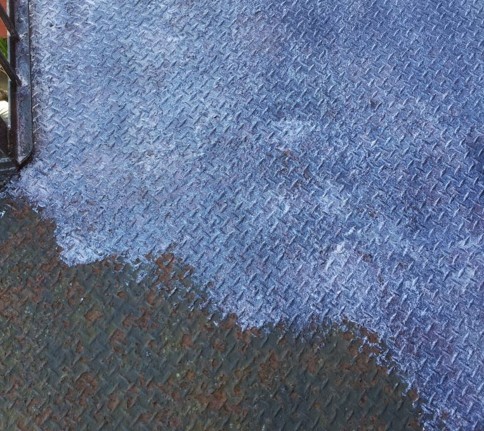
Rust converting paint provides a practical way to handle rusted surfaces. Instead of only covering rust, it works with the existing rust and helps turn it into a more stable layer that can be painted.
This makes it a useful option for many coastal repair projects.
Creates a Stable Surface
Rust converting paint helps change loose and active rust into a stronger surface. This creates a better base for future coatings.
Makes Surface Preparation Easier
Some rust removal methods require heavy sanding or special equipment. A rust converter can make the preparation process simpler when used correctly.
Helps Protect Against Future Damage
When combined with proper cleaning and a quality topcoat, rust converting paint helps create a protective system that can better handle moisture and salt exposure.
Choosing the Right Protection Strategy for Coastal Metal
Protecting metal near the ocean requires more than just applying paint. Good preparation and regular care are also important.
Step 1: Clean the Metal Surface
Before applying any coating, remove dirt, oil, and salt deposits. Salt left on the surface can reduce the ability of paint to stick properly.
A clean surface helps coatings work better and last longer.
Step 2: Remove Loose Rust
Rust converter products work best when loose rust flakes are removed first. The goal is to keep the stable rust layer while removing weak areas.
Step 3: Apply Rust Converting Paint Properly
Always follow product instructions. Applying the right amount and allowing enough drying time helps create better results.
Step 4: Add a Protective Coating
A topcoat adds another layer of protection. It helps block water, air, and salt from reaching the metal surface. Using multiple protection steps gives coastal metal a better chance of lasting longer.
The Role of Colored Sand in Coastal Surface Protection and Design
Coastal projects are not only about protecting metal. Many property owners also want outdoor spaces to look attractive and feel welcoming.
Colored sand in bulk is often used for decorative landscaping, walkways, garden areas, concrete designs, and creative outdoor surfaces. It allows people to add different colors and styles to their projects.
For coastal properties, choosing strong and attractive materials is important because outdoor areas face sunlight, moisture, and changing weather conditions.
Some uses of colored sand in bulk include:
- Creating decorative garden spaces
- Designing attractive pathways
- Adding unique finishes to outdoor areas
- Improving the appearance of commercial properties
While colored sand focuses on design, rust protection focuses on strength. Together, they can help create outdoor spaces that look good and handle challenging coastal conditions.
Common Mistakes When Protecting Metal Near the Coast
- Painting Over Rust Without Preparation
Applying paint directly over weak rust may only hide the problem for a short time. Rust can continue growing underneath and damage the coating.
- Forgetting About Salt Build-Up
Salt deposits may look harmless, but they can affect paint performance. Cleaning the surface before coating is an important step.
- Waiting Too Long for Repairs
Small rust spots can become bigger problems if ignored. Regular checks help find damage early.
- Using the Wrong Products
Some coatings are not made for harsh coastal conditions. Choosing products designed for rust control and protection can improve results.
Protect Coastal Metal Before Rust Takes Control
Coastal areas are beautiful, but salt air can quickly damage metal surfaces if they are not protected properly. Using the right preparation steps and rust converting paint can help prevent rust from spreading and improve surface life.
At Perfect Primer, we provide trusted coating solutions that help protect metal from harsh conditions. We focus on quality products and practical support to make restoration projects easier and help customers achieve long-lasting protection.
Frequently Asked Questions (FAQs)
- Why does salt air cause rust faster?
Salt air speeds up rust because salt helps water stay on metal surfaces. This creates better conditions for corrosion to happen.
- Can rust converting paint be used near the ocean?
Yes. Rust converting paint can be used in coastal areas because it helps stabilize existing rust and prepares the surface for additional protection.
- Do I need to remove all rust before using rust converter?
No, but loose and flaky rust should be removed. A rust converter works best when the remaining rust is stable and the surface is properly prepared.
- How can I protect outdoor metal near the coast?
Clean salt deposits regularly, remove loose rust, use suitable coatings, and inspect metal surfaces often to prevent bigger problems.
- Can colored sand in bulk be used for outdoor coastal designs?
Yes. Colored sand in bulk can be used for decorative outdoor projects like pathways, landscaping, and creative surface designs.