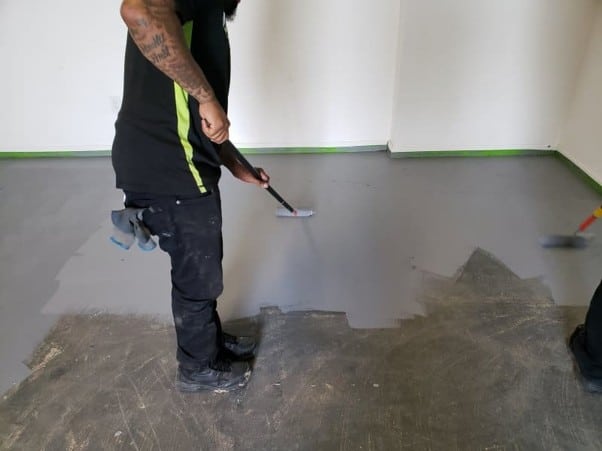
A strong floor begins with a smooth and clean surface. Before adding any coating, it is important to fix cracks, dips, and uneven areas in concrete. Small low spots can cause bigger problems later, such as water buildup or coating damage.
A self leveling concrete patch helps repair these areas and prepares the floor for a better finish. Good surface preparation helps coatings last longer and look better.
Why Low Spots in Concrete Need Fixing?
Concrete floors may look strong, but they can develop small problems over time. Changes in weather, heavy use, or mistakes during installation can create low spots and uneven areas.
These low areas can cause problems when you add a coating. The coating may not spread evenly, and water or moisture may collect in those spots. Over time, this can lead to:
- Uneven coating thickness
- Weak spots on the floor
- Peeling or damaged coatings
- Poor-looking finishes
- Faster wear and tear
Fixing these problems before coating helps create a smooth base that supports a stronger and longer-lasting floor.
What Is a Self Leveling Concrete Patch?
A self leveling concrete patch is a special repair material used to fill holes, cracks, and low areas in concrete floors. It spreads into uneven spaces and helps create a flatter surface.
Unlike regular patch materials that may need more shaping and smoothing, self-leveling products are designed to flow into low areas more easily. This makes them useful before installing different types of flooring systems, including:
- Epoxy coatings
- Protective floor coatings
- Decorative concrete finishes
- Commercial flooring systems
The main purpose is simple: create a smooth surface so the final coating can stick better and perform well.
How Self Leveling Concrete Patch Repairs Low Spots?
Repairing low spots requires a few simple steps. Each step helps make sure the floor is ready for coating.
- Clean the Concrete Surface
First, the concrete must be cleaned properly. Dust, dirt, oil, and other materials can stop the patch from sticking correctly. A clean surface helps create a strong bond.
- Find and Prepare Low Areas
The floor should be checked carefully to find dips and uneven spots. Some areas may need light grinding or preparation before applying the patch.
- Apply the Patch Material
The self-leveling material is placed over the low areas. It flows into the spaces and creates a more even surface.
- Allow Proper Drying Time
After applying the patch, it needs enough time to dry and become strong. Adding a coating too early can create problems with bonding and performance.
Why Moisture Control Matters Before Coating?
Concrete may look dry on the outside, but it can still hold moisture inside. This hidden moisture can move through the slab and affect the coating above it.
Too much moisture can cause problems like:
- Bubbling
- Cracking
- Peeling
- Poor coating adhesion
This is why moisture protection is an important part of floor preparation. A concrete slab moisture barrier helps control moisture movement through the concrete and protects the coating system.
Using the right moisture protection method before coating helps create a stronger and more reliable floor.
Why Leveling Should Happen Before Coating?
A coating follows the shape of the concrete underneath it. If the surface has dips or low areas, the coating will also appear uneven.
Repairing the floor first helps provide:
- Better coating coverage
- A smoother appearance
- Stronger bonding
- Longer-lasting performance
- Easier cleaning and maintenance
A properly prepared floor works like a strong foundation for the final coating.
Common Mistakes to Avoid
- Ignoring Small Low Spots
Even small dips can become noticeable after coating. Fixing them early helps create a professional-looking finish.
- Skipping Moisture Checks
Moisture problems can damage coatings even when the concrete looks fine. Checking moisture conditions before coating is an important step.
- Applying Patch Over Dirty Concrete
Patch materials need a clean surface to bond properly. Dirt, oil, and dust can reduce their effectiveness.
- Coating Too Soon
Allowing repair materials to fully dry helps prevent future coating problems.
Choosing the Right Floor Preparation Method
Every concrete floor is different. A garage floor, warehouse floor, basement, or decorative floor may need different preparation steps.
Before starting a coating project, consider:
- The condition of the concrete
- The type of coating being used
- Moisture levels in the slab
- Floor usage and traffic
- Existing damage or old coatings
A complete preparation plan may include cleaning, repairing low spots, managing moisture, and selecting the right coating system.
Prepare First for Better Floor Results
A beautiful and durable concrete floor starts with proper preparation. Fixing uneven areas with a self leveling concrete patch and managing moisture with a concrete slab barrier creates a better surface for coatings.
At Perfect Primer, we focus on helping customers build stronger coating systems with reliable preparation solutions. We help make floors ready for better performance, improved durability, and long-lasting results.
Frequently Asked Questions (FAQs)
- Why should I fix low spots before coating concrete?
Low spots can create uneven coating coverage and allow moisture to collect. Repairing them first helps the coating perform better.
- What does a self leveling concrete patch do?
A self leveling concrete patch fills cracks, holes, and low areas to create a smoother concrete surface before applying coatings.
- Why does concrete need moisture protection?
Concrete can contain hidden moisture that affects coatings. Moisture protection helps reduce problems like peeling and bubbling.
- What is a concrete slab moisture barrier used for?
A concrete slab moisture barrier helps control moisture movement through concrete and supports better coating performance.
- How long should I wait after using a concrete patch?
The waiting time depends on the repair material and conditions. Always allow the patch to fully dry before adding a coating.