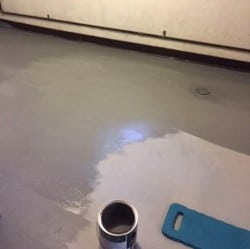
A floor may look strong on top but hide a hidden problem below it.
Moisture inside concrete can slowly damage flooring if it is not controlled. Choosing the right moisture solution helps keep floors safe and long-lasting. This guide explains the difference between surface-applied and under-slab systems so you can understand which option works best for an existing floor.
A good concrete moisture barrier can protect your floor and improve the life of your flooring system with proper care today.
Understanding the Purpose of a Moisture Barrier for Concrete Floor Applications
Concrete is a strong material, but it has tiny spaces that can hold moisture. Water vapor can move through concrete and reach the flooring placed above it. This can create problems like loose tiles, damaged coatings, bad smells, and floor cracks.
A moisture barrier for concrete floor systems helps control this movement. It creates a protective layer that reduces moisture problems and helps flooring stay strong for a longer time.
Moisture protection is important for:
- Basements and garages
- Commercial buildings
- Concrete floors being renovated
- Areas where new flooring will be installed
A good moisture control system helps prepare the floor before adding finishes like coatings, tiles, or other flooring materials.
Under-Slab Moisture Barriers: The Best Choice During New Construction
An under-slab moisture barrier is placed before the concrete slab is poured. It sits between the ground and the concrete, stopping moisture from moving upward into the slab.
Benefits of Under-Slab Barriers
- Blocks moisture early
Because the barrier is under the concrete, it helps stop moisture before it enters the slab.
- Offers long-term protection
When installed correctly during construction, it can protect the floor for many years.
- Helps protect sensitive flooring
Flooring materials like wood, vinyl, and some coatings need a dry surface. An under-slab barrier helps create better conditions for these materials.
Why It Is Hard to Use for Existing Floors
The main problem with under-slab barriers is that they are installed before concrete is poured. If a floor already exists, adding this type of barrier usually requires breaking the concrete, removing the slab, and rebuilding the floor.
This process can take a lot of time, money, and effort. For most renovation projects, a surface-applied solution is a more practical choice.
Surface-Applied Moisture Barriers: A Smart Option for Existing Floors
A surface-applied concrete moisture barrier is placed directly on top of an existing concrete floor. It helps control moisture coming through the surface without removing the entire slab.
This option works well for:
- Older concrete floors
- Remodeling projects
- Basement floors
- Commercial spaces
- Floors that need new finishes
Instead of starting from the beginning, surface-applied barriers improve the current floor and prepare it for the next step.
Why Surface-Applied Systems Work Well for Renovations?
When updating an existing floor, most people want a solution that is simple and effective.
- Less Floor Removal
Surface-applied systems do not require removing the concrete slab. This saves time and reduces project costs.
- Works With Different Floors
Every concrete floor is different. Some floors have old coatings, small cracks, or previous finishes. A surface-applied system can be chosen based on the condition of the floor.
- Supports New Flooring
A properly prepared concrete surface can support many flooring options, including coatings, tiles, and decorative finishes.
Where Does an Uncoupling Membrane Fit Into Moisture Protection?
An uncoupling membrane helps protect flooring from movement in the concrete below. Concrete can expand, shrink, or develop small cracks over time. This movement can affect the flooring placed on top.
An uncoupling membrane creates a separating layer between the concrete and the finished surface. It helps reduce stress and provides extra support.
Benefits of an Uncoupling Membrane
- Helps reduce cracks in tile systems
- Creates separation between concrete movement and flooring
- Supports waterproofing in some systems
- Improves flooring durability
While a moisture barrier focuses on moisture control, an uncoupling membrane focuses more on movement protection. Some flooring projects may need one or both solutions.
Surface-Applied Barrier vs. Under-Slab Barrier: Which One Should You Choose?
The best option depends on when and why you are installing it.
| Situation | Better Choice |
| New concrete construction | Under-slab moisture barrier |
| Existing concrete floor | Surface-applied moisture barrier |
| Renovation without breaking the floor | Surface-applied system |
| Tile installation needing crack protection | Consider an uncoupling membrane |
| Decorative coatings over concrete | Moisture control system |
For existing floors, surface-applied systems are often the better choice because they solve moisture concerns without major construction work.
How to Prepare an Existing Concrete Floor Before Applying Moisture Protection
- Find the Moisture Source
First, understand where the moisture is coming from. It may be caused by:
- Ground moisture
- Water leaks
- Poor drainage
- Humidity
A moisture barrier helps with vapor problems, but water leaks should be repaired first.
- Check the Concrete Condition
Testing the concrete helps understand how much moisture is present and what solution will work best.
- Clean the Floor
Remove dust, dirt, oils, and loose materials. A clean surface helps the barrier stick properly.
- Choose the Right System
The moisture barrier should match the flooring that will be installed above it. The right combination helps improve performance.
Connect With Us!!
Picking the right moisture protection method depends on your floor’s age condition and needs. For existing floors, a surface-applied solution is often a simple and effective choice because it avoids major removal work.
A reliable moisture barrier for concrete floor systems helps create a stronger base for future finishes. At Perfect Primer, we help you find practical floor preparation products and solutions that support better results. Contact us today to choose the right system for your project and needs easily.
People Also Ask: FAQs
- Can I install a moisture barrier over an existing concrete floor?
Yes. Surface-applied moisture barriers are made for existing concrete floors where installing a barrier below the slab is not possible.
- Is an under-slab moisture barrier better than a surface-applied barrier?
Both have benefits. Under-slab barriers are best during new construction, while surface-applied barriers are usually better for existing floors.
- Does a concrete moisture barrier stop every water problem?
No. It helps control moisture vapor, but major leaks and flooding need separate repairs.
- What is the difference between a moisture barrier and an uncoupling membrane?
A moisture barrier controls moisture movement, while an uncoupling membrane helps protect flooring from cracks and movement.
- Can moisture barriers be used before coatings?
Yes. Many systems can prepare concrete before coatings when the surface is properly cleaned and prepared.