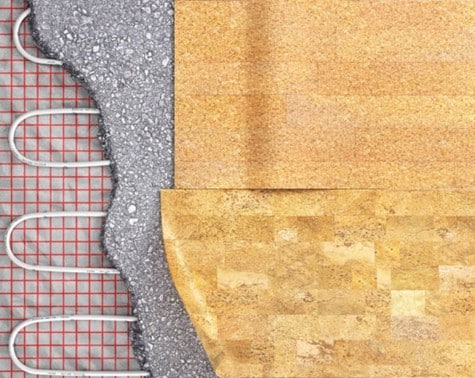
Great tile floors begin with the right support underneath them. Choosing the correct base can help your tiles stay strong and beautiful for years. Many homeowners compare an uncoupling membrane with cement backer board before starting a project.
These materials protect tile in different ways and work best in different situations. This guide explains their differences using simple examples so you can make a smart choice for your space. Learn how each option handles movement, moisture, and daily use easily.
Understanding Tile Support Materials
Before placing tiles on a floor or wall, it is important to prepare a strong surface. Tiles may look hard and solid, but they can crack if the surface below moves or has moisture problems. The material placed between the tile and the base floor helps prevent these issues.
An uncoupling membrane is a special layer that sits between the tile and the surface below. It helps separate the tile from small movements that happen naturally in buildings. This extra protection can lower the chance of cracks appearing over time.
Cement backer board is another popular choice. It is a strong, flat board made from cement and fibers. It creates a stable area where tiles can stick properly. Many builders have used it for years because it is reliable and easy to find.
How These Materials Work?
A floor or wall can move slightly because of temperature changes, building settling, or normal daily use. These small movements may not be easy to notice, but they can put pressure on tiles.
An uncoupling membrane helps manage this pressure by creating a separation layer. Instead of passing movement directly to the tile, the layer helps absorb some of the stress. This makes it useful for areas where floors may experience changes over time.
Cement backer board works differently. It gives tiles a firm surface but does not allow much movement between the tile and the base. It is strong, but it cannot provide the same type of movement protection.
Uncoupling Membrane vs. Cement Backer Board Comparison
| Feature | Uncoupling Membrane | Cement Backer Board |
| Crack Isolation | Excellent | Minimal |
| Weight | Lightweight | Heavy |
| Installation | Faster | More labor-intensive |
| Waterproofing | Can be waterproof when sealed | Moisture resistant but not waterproof |
| Floor Height | Lower profile | Adds more height |
| Movement Accommodation | Yes | No |
| Heated Floors | Excellent compatibility | Compatible but less efficient |
| Cutting | Easy with utility knife | Requires specialized cutting tools |
Choosing the Right Option for Your Project
The best choice depends on where the tile will be installed. For example, a kitchen floor may have different needs compared to a bathroom wall.
An uncoupling membrane is often a good option for large tiles, heated floors, and areas where movement is a concern. Large tiles cover more space, so they can be more sensitive to changes underneath them. The added flexibility helps create a stronger tile system.
For wet locations, proper moisture protection is important. A tile uncoupling membrane can support waterproofing needs when installed correctly with sealed connections. It can help create a safer surface for tile in areas exposed to water.
Cement backer board is commonly used for walls and smaller projects. It creates a firm base for tile and works well when the surface underneath is already stable. It remains a trusted choice for many traditional installations.
Important Things to Check Before Installation
Before choosing your material, look at the condition of your surface. A damaged or uneven base can create problems no matter which product you use.
Here are some helpful questions to ask:
- Is the surface flat and clean?
- Is there a moisture concern?
- Are you installing large or heavy tiles?
- Will the floor have heating systems?
- Do you need extra protection from movement?
If moisture is a concern, adding a concrete moisture barrier can provide another level of protection. Moisture that moves through concrete can weaken tile installation and create long-term issues.
You should also follow installation instructions carefully. Using the correct adhesive, preparing the surface properly, and allowing enough drying time can improve the final result.
Common Mistakes People Make
Many tile problems happen because of small preparation mistakes. Some people install tiles over weak surfaces, ignore moisture problems, or choose materials only because they cost less.
A low-cost option may not always save money in the long run. Repairing cracked tiles or damaged flooring can become expensive and time-consuming.
Another common mistake is choosing a product without thinking about the location. A busy kitchen floor, a bathroom, and a decorative wall all have different requirements.
A properly selected uncoupling membrane can provide better protection in areas where movement is expected. On the other hand, cement backer board may be enough for simple applications where a strong, stable base is already available.
Which Option Is Better for Long-Term Results?
There is no single answer for every tile project. Both options can work well when they match the needs of the installation.
If your main concern is reducing cracks, handling movement, and adding moisture protection, an uncoupling membrane may be the better choice. It provides flexibility while supporting a strong tile surface.
If you need a simple, strong backing material for a stable area, cement backer board can be a practical solution. The key is understanding your space before making a decision.
A tile uncoupling membrane is especially helpful when you want extra protection for modern tile projects. It can improve durability and help your floor remain attractive for many years.
Create a Strong Base for Your Tile Installation
Choosing the right preparation materials helps your tiles stay safe and beautiful for a long time. At Perfect Primer, we understand the importance of strong surfaces, moisture control, and reliable installation support.
We provide solutions designed to help improve tile performance and durability. Whether you need guidance for a new project or want better protection with a concrete moisture barrier, we are here to help you build a dependable foundation. Contact us today for expert support from Perfect Primer.
Frequently Asked Questions
- What does an uncoupling membrane do?
An uncoupling membrane creates a protective layer between the tile and the surface below. It helps reduce stress caused by small movements and protects against tile cracks. - Is cement backer board waterproof?
Cement backer board can resist moisture, but it is not completely waterproof. Extra waterproofing methods may be needed in areas with regular water exposure. - When should I use a concrete moisture barrier?
A concrete moisture barrier is useful when installing tile over concrete surfaces where moisture movement may be a concern. It helps protect the tile system from water-related problems. - Can I install large tiles without special support?
Large tiles need a very stable base because they can crack more easily when the surface moves. Using the right underlayment can improve their performance. - Is a tile uncoupling membrane better than cement backer board?
It depends on the project. A tile uncoupling membrane offers movement protection, while cement backer board provides a strong fixed base. The better choice depends on your needs.