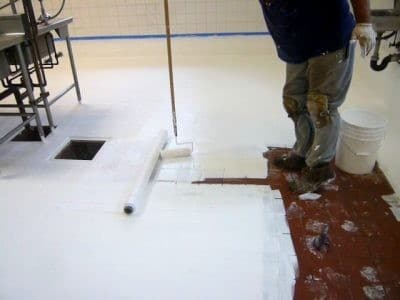
Concrete may look strong, but small movements can cause tiles to crack or grout to break. A concrete uncoupling membrane is a special layer placed between concrete and tiles to help reduce the effects of these movements. Some membranes also protect against water when installed correctly.
They are useful for floors in bathrooms, kitchens, and other areas where tiles need extra protection. Understanding how this layer works can help you choose the right product and keep your tiled surfaces in good condition for longer.
What Is A Concrete Uncoupling Membrane?
Concrete can shrink as it dries and change size when temperatures rise or fall. These small changes can put pressure on tiles and cause cracks. An uncoupling membrane is a layer placed between the concrete and the tiles. It helps reduce the transfer of movement from the concrete to the tile surface.
Unlike a regular primer, which helps materials stick to a surface, an uncoupling membrane helps manage movement. Some products also provide waterproofing and crack protection.
Why Is An Uncoupling Membrane Used On Concrete?
An uncoupling membrane can help protect tiles and improve the performance of a flooring system.
- Helps prevent cracks: It reduces the effect of certain concrete movements on tiles and grout.
- Helps keep water out: Waterproof membranes can protect the surface when joints and edges are sealed correctly.
- Helps with renovation: Some membranes can be used over approved existing surfaces.
- Supports decorative finishes: Certain systems work beneath approved coatings and decorative flooring.
- Helps manage stress: Special fabric layers can spread stress across the surface.
However, a membrane cannot fix serious structural cracks or replace the movement joints needed in a floor.
How Does A Tile Uncoupling Membrane Work?
A tile uncoupling membrane creates a layer between the concrete and the tiles. It may be made from plastic sheets, special fabric, or a fabric-reinforced coating. When concrete moves slightly, the membrane helps reduce the stress passed to the tiles. This can lower the chance of cracks forming in the tile or grout.
For example, bathroom floors face regular changes in moisture and temperature. A suitable membrane can help protect the floor, but it must also be waterproof if the area needs water protection. The installer must seal corners, joints, and drains according to the product instructions.
Where Should You Use An Uncoupling Membrane?
These membranes may be useful in several places:
- Concrete floors covered with ceramic or porcelain tiles.
- Bathrooms and other wet areas with an approved waterproofing system.
- Balconies and outdoor areas exposed to changing weather.
- Renovation projects with suitable existing floors.
- Decorative concrete projects using compatible coatings.
Always check the product instructions before choosing a membrane. Outdoor floors also need proper drainage, suitable slopes, and correctly placed movement joints.
What Is The Difference Between An Uncoupling Membrane And A Concrete Waterproof Sealer?
A concrete waterproof sealer and an uncoupling membrane for tile serve different purposes. The table below explains their key differences to help you choose the right product for your project.
| Feature | Uncoupling Membrane | Concrete Waterproof Sealer |
| Main purpose | Helps reduce the transfer of concrete movement to tiles. | Helps protect concrete against water, stains, or other damage, depending on the product. |
| Crack protection | Helps reduce the risk of tile and grout cracks caused by certain types of movement. | A regular sealer does not provide the same movement protection. |
| Waterproofing | Some membranes provide waterproofing when installed correctly. | Provides water resistance or waterproofing according to its design and specifications. |
| How it works | Creates a separating layer between the concrete and the finished surface. | Seals or coats the concrete surface to provide protection. |
| Common uses | Tile floors, bathrooms, and other suitable flooring installations. | Concrete floors and surfaces that need protection from moisture or stains. |
| What to check | Confirm compatibility with the tiles, adhesive, substrate, and moisture conditions. | Check the product’s water protection level and suitability for the intended surface. |
The term concrete seal waterproofing can refer to different products, including liquid sealers, protective coatings, and fabric-reinforced membranes. These products do not work in the same way. Always check the manufacturer’s instructions to choose a solution that meets your project’s needs.
How Do You Install An Uncoupling Membrane Over Concrete?
Correct installation helps the membrane work properly. Follow these basic steps:
- Check the concrete: Look for cracks, loose pieces, and signs of moisture damage.
- Clean the surface: Remove dust, dirt, grease, and loose material.
- Prepare the surface: Apply the primer, mortar, or bonding product required by the manufacturer.
- Install the membrane: Follow the instructions to avoid air bubbles, wrinkles, and loose areas.
- Seal important areas: Protect joints, corners, and drains if the system is designed for waterproofing.
- Add the final surface: Install tiles or a compatible coating after the required curing time.
Do not use a random primer or adhesive unless the manufacturer confirms that it is suitable for the membrane.
How Can PerfectPrimer Products Help With Concrete Preparation?
Choosing the right product depends on the surface and the problem you want to solve.
PerfectPrimer Products offers solutions for surface preparation, waterproofing, and encapsulation. Its PerfectMembrane system combines PerfectPrimer with Polytex fabric to create a reinforced layer designed for waterproofing, crack isolation, and coating preparation.
For surfaces with certain old adhesives, PerfectPrimer is an encapsulant designed to seal materials such as black mastic and cutback adhesive before compatible flooring work. It is not a replacement for every uncoupling membrane.
If old adhesive may contain asbestos, do not sand, scrape, or grind it. Follow safety rules and seek advice from a qualified professional.
What Should You Check Before Choosing A Membrane?
Check whether the product works with your concrete, tiles, adhesive, and expected moisture levels. Read its instructions for coverage, drying time, and waterproofing requirements.
Safety rules also matter. In the United States, the Environmental Protection Agency (EPA) has rules for certain renovation work that disturbs lead-based paint in older homes and child-occupied buildings. Using an encapsulating product does not automatically remove these requirements. Read the EPA’s lead renovation rules for guidance.
Choose The Right Protection For Your Concrete Project
A good uncoupling membrane can help protect tiles from certain types of concrete movement. The right product may also provide waterproofing when designed for that purpose. Before choosing a product, check your surface, moisture needs, and installation requirements.
For help with concrete preparation, waterproofing, or old adhesive concerns, explore the solutions from PerfectPrimer Products. We offer products to help you find a suitable approach for your flooring project and prepare your surface with greater confidence.
Frequently Asked Questions
- Is an uncoupling membrane necessary over concrete?
No, not always. It depends on the condition of the concrete, the type of tiles, and the need for extra movement or water protection.
- Does an uncoupling membrane waterproof concrete?
Some membranes do, but others do not. Choose a waterproof-rated product and seal all required joints and edges.
- Can you install tiles directly over concrete?
Yes, if the concrete is stable, clean, and suitable for the tile installation. A membrane may offer extra protection when needed.
- Is a concrete waterproof sealer the same as a tile uncoupling membrane?
No. A sealer protects against the types of damage listed by its manufacturer. An uncoupling membrane helps manage movement. Some products offer both benefits.
- Can an uncoupling membrane be used over old adhesive or mastic?
Only if the product allows it and the surface is suitable. If asbestos may be present, do not disturb the material until it has been properly assessed.