
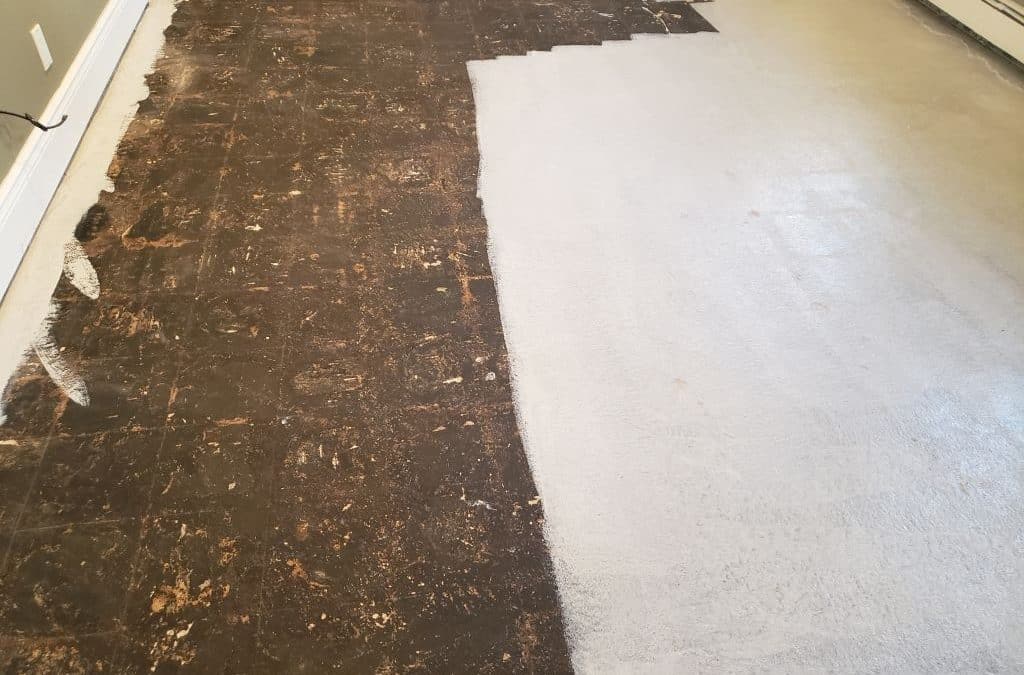
Old flooring adhesive can make a straightforward flooring renovation surprisingly difficult. The safest approach to preparing asbestos mastic for a new floor coating is to leave it undisturbed, assess its condition, and apply an appropriate encapsulating primer only when the material is suitable for sealing.
Asbestos mastic remover products should never be used on suspected asbestos-containing material without professional assessment, as disturbing the adhesive can release harmful fibers. In many cases, sealing suitable mastic in place is a practical alternative to removing it. Proper preparation also helps new coatings bond well and last longer.
What Is Asbestos Mastic, And Why Does It Need Special Preparation?
Asbestos mastic is an adhesive that was used to hold floor tiles and other flooring materials in place. It often looks like thick, black glue beneath old vinyl or floor tiles. Some older mastics contain asbestos, but you cannot confirm this by looking at them. Asbestos becomes dangerous when tiny fibers enter the air and are breathed in.
Before starting a flooring project, check whether the old adhesive may contain asbestos. The US Environmental Protection Agency (EPA) recommends having suspected materials assessed and sampled by a properly trained and accredited asbestos professional when testing is needed.
If asbestos is present, avoid disturbing the material. The goal is to choose a safe way to prepare the floor without releasing harmful fibers.
What Is The Best Way To Prepare Asbestos Mastic For A New Floor Coating?
The best approach is usually to keep suitable asbestos mastic in place and seal it with a compatible encapsulating primer. This avoids unnecessary removal and helps create a surface for the new floor coating.
Step 1: Check the Floor Before Starting
Look for signs of loose tiles, damaged adhesive, cracks, or moisture. Do not pull up tiles or scrape the black glue to inspect what is underneath.
If you suspect asbestos, contact a qualified professional to assess the material. Damaged or unsuitable materials may require specialist repair or removal.
Step 2: Clean the Surface Carefully
The floor needs to be clean before a primer can bond properly. However, cleaning must not disturb the suspected asbestos.
Avoid sanding, grinding, dry scraping, or using power tools. Do not use harsh chemicals or an adhesive remover unless a qualified professional has confirmed that the method is appropriate.
Follow the selected encapsulant’s instructions for safe cleaning. If the floor needs repairs that could disturb the mastic, seek professional advice first.
Step 3: Apply a Suitable Encapsulating Primer
A purpose-designed encapsulating primer helps seal the mastic and prepare the floor for a compatible finish.
For example, PerfectPrimer is designed to seal and prime difficult surfaces, including black mastic and concrete. Its product instructions describe a process that does not require grinding or removing suitable mastic.
Follow the current instructions for cleaning, application, drying, and curing. Do not apply a coating over damaged or unsuitable material without professional guidance.
Step 4: Allow the Primer to Cure
Give the primer enough time to dry or cure before applying another coating. Applying epoxy too soon may cause bonding problems.
Check the product instructions for the required waiting time and any conditions that could affect curing, such as moisture or high humidity.
Should You Remove Asbestos Mastic Or Encapsulate It?
Removing asbestos-containing material can disturb the mastic and release harmful fibers. Using a mastic remover without proper assessment may also increase the risk of exposure. For mastic that is in good condition and remains stable, encapsulation may be the preferred option because it allows the material to remain undisturbed in place.
Removal may still be necessary when the material is damaged, cannot be sealed properly, or conflicts with the planned work. In such cases, consult a qualified asbestos professional to determine the safest approach.
Consider these points before choosing a method:
- Encapsulation: Seals suitable mastic in place and prepares the surface for a compatible floor finish.
- Professional removal: May be necessary when the material is damaged or cannot safely remain in place.
- Chemical removers: Should not be used on suspected asbestos mastic without professional assessment and an approved work plan.
- Future maintenance: The sealed material must remain protected during later repairs and renovations.
Never assume that a chemical product makes asbestos removal safe for an untrained person. Comply with relevant local regulations and consult a qualified professional when necessary.
Can You Apply Epoxy Floor Coating Over Asbestos Tile?
Yes, epoxy floor coating over asbestos tile may be possible when the existing tiles and adhesive are suitable for encapsulation and the coating system is compatible with them.
However, epoxy should not be applied directly over every old floor. Loose tiles, damaged mastic, moisture, and poor bonding can affect the final result.
The preparation process should start with an assessment of the existing floor. If the material is suitable to remain in place, a compatible encapsulating primer can help seal the surface before the epoxy is applied.
For example, PerfectPrimer’s product information identifies epoxy as one of the finishes that can be applied over its prepared surface. Always check the latest technical instructions to confirm that the complete system is suitable for your floor.
Remember that epoxy covers the surface but does not remove asbestos. The underlying material must remain safely contained.
How Do Epoxy Paint And Primer Work Together?
Epoxy paint and primer serve different purposes in a flooring system. A suitable primer helps the coating bond to the surface. Epoxy provides the finished layer, which can offer a hard, durable surface when correctly installed.
When asbestos mastic is present, an ordinary epoxy primer may not be suitable for sealing it. You may need a dedicated encapsulating primer before applying the epoxy system.
Follow the recommended order of application, and make sure each product is compatible with the layer beneath it. Check curing times, moisture requirements, and the manufacturer’s instructions before beginning.
What Does The EPA Say About Asbestos Mastic Preparation?
The EPA advises homeowners not to sand, scrape, drill, or otherwise disturb materials that may contain asbestos. It also advises against activities that may generate dust from flooring materials containing asbestos.
According to the EPA’s guidance on protecting your family from asbestos exposure, suitable asbestos materials may sometimes be managed by sealing or covering them. Repair and removal should be handled by trained professionals when needed.
Rules can vary depending on the location, building type, and work involved. In the United States, certain renovation and demolition activities may be covered by federal asbestos regulations, including applicable NESHAP requirements, as well as state and local rules.
Do not assume that every encapsulation product has blanket EPA approval. Check the product’s documented uses and follow the requirements that apply to your project.
Frequently Asked Questions
- Can I apply a new floor coating directly over black mastic?
Sometimes. The mastic must be suitable for encapsulation, and the selected primer and topcoat must be compatible. Have suspected asbestos assessed before starting.
- Is mastic removal necessary before applying epoxy?
Not always. Suitable mastic may be sealed in place with an appropriate encapsulating primer. Damaged or unsuitable material may require professional removal.
- Can an asbestos mastic remover be used by homeowners?
Do not use a remover on suspected asbestos mastic without professional assessment. Disturbing the adhesive can release harmful fibers, and applicable rules may restrict the work.
- How long should primer dry before epoxy is applied?
The required time depends on the product and site conditions. Follow the manufacturer’s instructions for drying and curing before applying epoxy.
- Does epoxy paint make asbestos tile safe?
Epoxy paint alone does not prove that asbestos has been safely contained. The existing material must be assessed, and any required encapsulating primer must be suitable for the surface and the planned coating.
Give Your Concrete Floor A Better Start
A lasting floor begins with careful preparation and the right protective coating. When asbestos mastic is present, avoiding unnecessary disturbance and choosing a suitable encapsulation method can help manage the risk while preparing the surface for a new finish.
At PerfectPrimer Products, we believe every flooring project should begin with informed choices and the right materials. Consider PerfectPrimer for suitable sealing and priming applications, and explore our approach to epoxy paint and primer systems to help you make an informed choice for your flooring project.


