
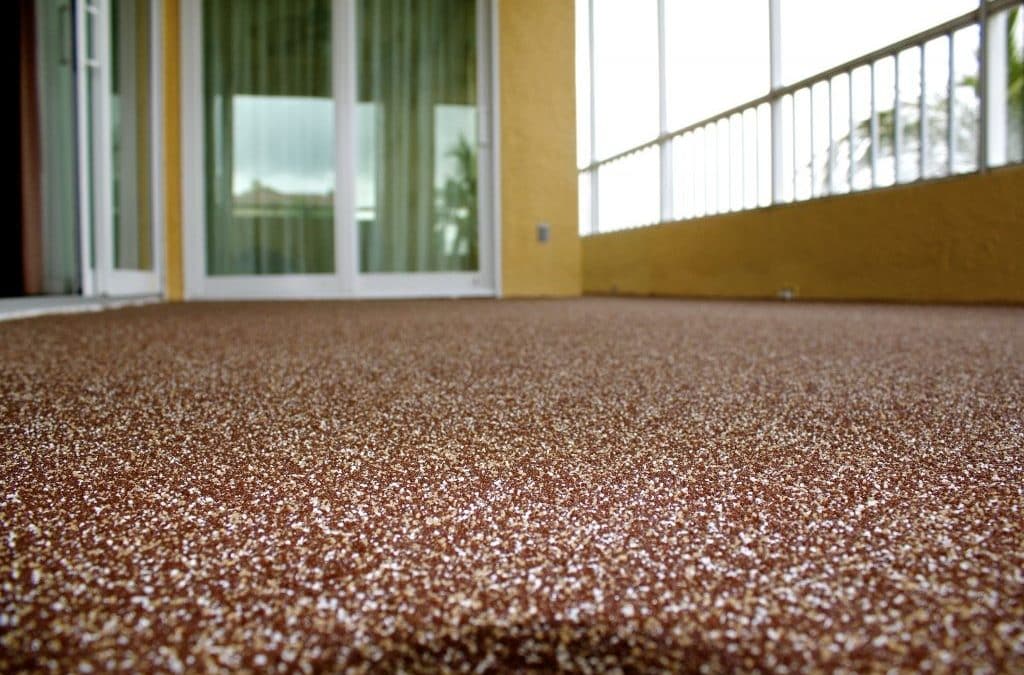
Some people think grinding a concrete floor is the only way to get it ready for new flooring. But grinding is loud, messy, and often not needed at all. If you want to prepare concrete without extensive grinding, there are easier and safer ways to do it.
This guide explains simple steps that clean and fix a concrete floor so it is ready for tile, paint, or new flooring, without turning your whole house into a dust storm.
Why Isn’t Grinding Always The Best Choice?
Grinding uses a machine with sharp diamond parts to scrape off the top layer of concrete. It can help fix very bumpy or damaged floors. But grinding also causes some problems:
- It makes a lot of dust in the air that is not safe to breathe
- It can stir up old glue under the floor that might have asbestos in it (a material that is dangerous if it gets into the air)
- It costs more money because you need special machines and vacuums
- It takes a long time, especially on big floors
Most home floors do not have huge damage. They just need to be clean and steady, and that does not always need a grinder.
What Are You Really Trying To Fix?
Before choosing how to prepare a floor, think about what the floor actually needs. Most of the time, you are trying to:
- Get rid of dust, dirt, and grease so new glue or paint can stick
- Seal old glue or coatings so they stay stuck down
- Make the surface a little rough so new material can grip it
- Fix small cracks or uneven spots
None of these things need a big grinding machine. Cleaning and sealing can do the same job with much less mess.
What Are Some Ways To Prepare Concrete Without Grinding?
Clean it well: A lot of “bad” floors are just dirty floors. A gentle, citrus-based cleaner can remove oil, dust, and grime without using strong chemicals or scrubbing machines. This alone fixes many sticking problems.
Rough it up with a mild chemical: If a floor needs a little grip for paint or glue to stick, a light etching liquid can do that job instead of a loud grinder. This works well on plain concrete with no old glue on it.
Seal it with a primer: If the real problem is old glue or a peeling coating, sealing it in place is often faster and safer than trying to scrape it off. A special sealing primer sticks to the old material, locks it down, and gives you a smooth, fresh surface to build on.
Pour a thin leveling layer: If the floor just has small bumps or dips, a thin self-leveling mix can smooth it out without removing anything at all.
Why Is Sealing Old Glue A Smart Choice?
This matters a lot when old flooring is pulled up and leaves behind black or brown sticky glue. Glue made before the early 1980s often contains asbestos, a material that can hurt your lungs if it becomes dust in the air.
That is why safety rules from OSHA say you should not grind, sand, or scrape this kind of glue. Instead, the EPA says it is safe to seal the glue in place so it cannot release any dust.
This is exactly what PerfectPrimer is made to do. Instead of grinding through old glue and risking dust in the air, PerfectPrimer® Encapsulant seals asbestos-containing glue, old cutback adhesive, and black tar residue right where it sits, following EPA safety guidelines, with no scraping or grinding needed.
Once it dries, it leaves behind a smooth, strong surface that is ready for tile, laminate, vinyl plank, epoxy, or a fresh coat of concrete floor paint, all without touching a grinder.
What Steps Should You Follow To Prep A Floor Without Grinding?
Here is a simple order to follow for most home floors:
- Clean the floor well with a gentle degreasing cleaner to remove dirt, oil, and dust.
- Check old glue for asbestos if your flooring is from before the 1980s.
- Seal the old glue with PerfectPrimer® Encapsulant instead of scraping or grinding it off.
- Fix cracks or bumps with a patching mix or a thin leveling layer if needed.
- Add your new flooring or paint right on top of the sealed, smooth surface.
When Do You Still Need To Grind?
Grinding is not useless. It is still the right choice when:
- The floor has very deep damage or big uneven spots that leveling mix cannot fix
- An old, thick coating will not come off with chemical removers
- A rule or warranty says the floor must be mechanically prepped
- The job is a huge commercial space where machines just work faster
The trick is picking the right tool for the actual problem, instead of always grabbing the biggest, loudest machine first.
Order Now!!
You do not need a loud grinder and a cloud of dust to get a floor ready for something new. A good cleaner and a sealing primer can do the same job while keeping your space safer and cleaner.
Ready to prepare concrete without extensive grinding at home? Browse our lineup of encapsulating primers and prep essentials at PerfectPrimer and pick the right one for your next project.
Frequently Asked Questions
1. Can I really skip grinding when getting concrete ready for new flooring?
Yes, in most cases. If the floor is solid and the main problem is old glue, dirt, or light stains, cleaning it and sealing it with PerfectPrimer® Encapsulant gives you the same sticky-ready surface without using a grinder.
2. Is it safe to seal old glue instead of grinding it away?
Yes, and it is often safer. The EPA says sealing asbestos-containing material in place is an approved way to handle it, which avoids the risks that come with grinding or scraping.
3. What is the fastest way to prep concrete for tile without a grinder?
Clean the floor, seal any old glue with PerfectPrimer® Encapsulant, and fix any cracks first. This gives you a solid, sticky-ready surface without renting equipment or making dust.
4. Does skipping grinding make flooring stick less?
No, not if you prep the floor the right way. A sealing primer is made to bond with old glue and create a brand-new surface, so your flooring sticks to the primer instead of the shaky old layer underneath.
5. When should I still use a grinder instead of a sealing primer?
Use a grinder only when the floor has serious damage or a thick coating that will not come off any other way. For most home floors with old glue, sealing is the easier and safer choice.


