
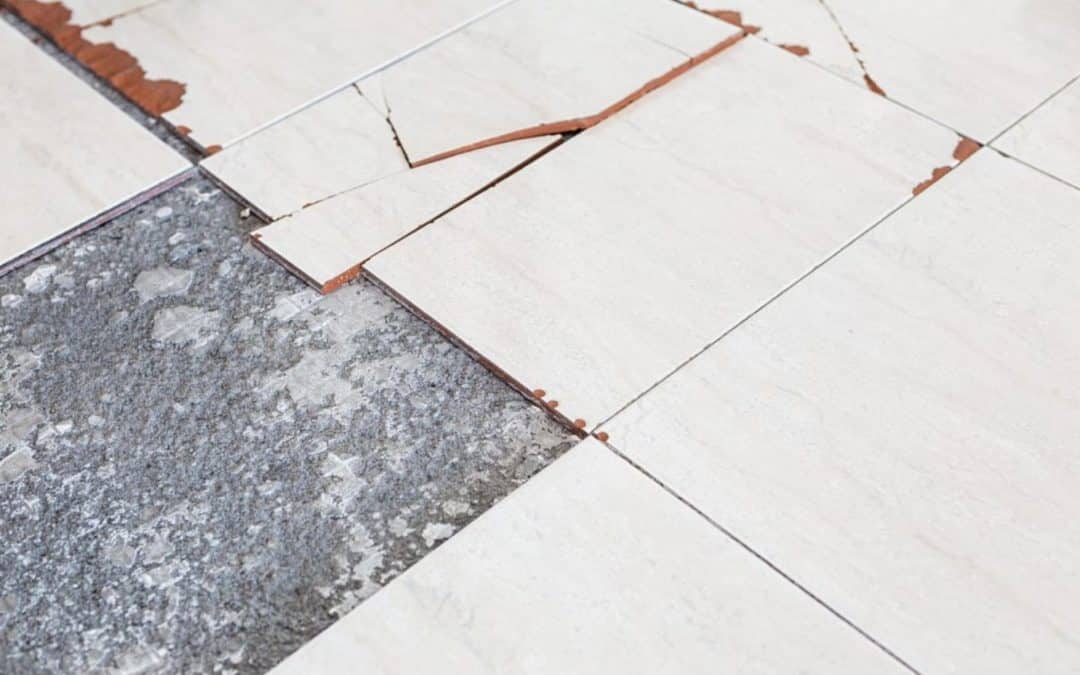
A Cracked Tile Can Turn a Beautiful Floor Into a Big Problem
A tile floor can make any room look clean, bright, and beautiful. Many people choose tile because it is strong and can last for many years. But sometimes, even a new tile floor can crack. This can be surprising and frustrating.
In many cases, the tile is not the real problem. The surface under the tile is often the cause. That is why builders use special products to protect tile floors. One of the best solutions is an uncoupling/decoupling membrane, which helps keep tiles safe from cracks and damage.
Why Do Tiles Crack?
Tiles are hard and strong, but they are not flexible. This means they cannot bend when the surface below them moves. If the floor underneath shifts, expands, shrinks, or cracks, the tile may crack too.
Many things can cause this movement. Let’s look at the most common reasons.
- Concrete Shrinks Over Time
Concrete may look solid, but it changes as it ages. As concrete dries and cures, it can shrink a little. This small movement may not seem like a big deal, but it can place pressure on the tile above it.
Over time, this pressure can lead to cracks.
- Buildings Naturally Move
All buildings move a little. They expand when temperatures rise and contract when temperatures fall. Buildings can also settle as the ground shifts over the years.
These small movements are normal, but they can affect tile floors. Since tile is rigid, it may crack when too much stress builds up.
- Moisture Can Cause Problems
Water is another common cause of tile damage. Moisture can get into concrete and create movement inside the slab. Wet concrete can expand. Dry concrete can shrink.
This constant change can stress the tile floor. That is why concrete sealing waterproofing is important for many flooring projects.
- Weak Subfloors
The subfloor is the layer under the tile. If the subfloor bends too much when people walk on it, the tile may crack. Tile works best on a stable and strong surface.
- Cracks in the Concrete
Many concrete slabs develop small cracks as they age. If tile is installed directly over those cracks, the cracks can move upward into the tile layer. This is called crack transfer.
Without protection, the tile can crack in the same place as the concrete.
What Is an Uncoupling/Decoupling Membrane?
An uncoupling/decoupling membrane is a special layer placed between the tile and the surface below it. It acts like a cushion between the two layers.
The membrane helps separate the tile from movements happening underneath. Instead of letting stress move directly into the tile, the membrane absorbs and manages that movement.
This helps protect the tile from damage. Think of it as a safety layer that gives the floor extra protection.
How Does an Uncoupling Membrane Work?
An uncoupling membrane for tile is designed to handle small movements in the floor.
When concrete expands, shrinks, or develops tiny cracks, the membrane helps stop that movement from reaching the tile. The membrane acts as a bridge between the tile and the substrate.
This helps reduce pressure on the tile surface. As a result, the tile has a better chance of staying crack-free for many years. This simple layer can make a big difference in the life of a tile floor.
The Benefits of Using an Uncoupling Membrane for Tile
- Helps Prevent Tile Cracks
The biggest benefit of an uncoupling membrane for tile is protection against cracks. The membrane helps reduce stress before it reaches the tile. This lowers the chance of damage and helps keep the floor looking beautiful.
- Helps Tile Floors Last Longer
Installing tile takes time and money. Most homeowners want their floors to last as long as possible. An uncoupling membrane helps protect the installation and may extend the life of the floor.
- Works Well Over Concrete
Concrete is one of the most common surfaces used under tile. Because concrete naturally moves over time, it can create problems for tile. An uncoupling membrane helps reduce those problems and provides extra protection.
- Can Reduce Repair Costs
Repairing cracked tile can be expensive. Tiles may need to be removed and replaced. Using an uncoupling membrane from the beginning may help prevent future repairs and save money.
Why Moisture Protection Matters?
Many people focus on movement when installing tile. However, moisture is also important. Water can enter concrete through the ground, rain, spills, or humid conditions.
When moisture gets into concrete, it can weaken the surface and create movement. This movement can affect the tile floor above it. That is why many professionals use concrete sealing waterproofing along with uncoupling membranes.
Protecting concrete from water helps create a stronger and more stable surface for tile.
The Role of Concrete Waterproofing Sealer
A concrete waterproofing sealer is a product that helps block water from entering concrete. It creates a protective barrier inside or on top of the concrete surface.
This protection offers several benefits. A concrete waterproofing sealer can:
- Help reduce water penetration
- Protect the concrete surface
- Improve durability
- Support a stable tile installation
- Reduce moisture-related problems
Using a concrete waterproofing sealer before tile installation can help create a healthier and longer-lasting flooring system.
When Should You Use an Uncoupling Membrane?
An uncoupling/decoupling membrane can be helpful in many situations.
- Over Concrete Slabs
Concrete slabs often move as they age. A membrane helps reduce the stress caused by this movement.
- Under Large Tiles
Large tiles are beautiful, but they can be more sensitive to movement. An uncoupling membrane helps provide extra protection.
- In Areas With Temperature Changes
Rooms that experience hot and cold temperatures may see more floor movement. A membrane helps manage this movement.
- During Renovation Projects
Older buildings often have small cracks in the concrete. Using an uncoupling membrane during a renovation can help protect new tile from existing problems.
Choosing the Right Flooring Protection System
A successful tile floor starts with proper preparation. The tile itself is only one part of the system. The layers underneath are just as important. Using an uncoupling membrane for tile helps protect against movement.
When the right products are used from the start, the floor is more likely to stay beautiful and durable for years to come.
Contact Us Now!!
Tile floors are strong, attractive, and made to last. However, even the best tile can crack when the surface below it moves or becomes damaged.
That is why proper floor preparation is so important. A quality uncoupling/decoupling membrane helps protect tile from movement caused by concrete shrinkage, settling, and small cracks.
At Perfect Primer, we help contractors, builders, and property owners find trusted solutions for tile protection, concrete sealing, and waterproofing. We are committed to helping our customers build stronger surfaces that last longer and perform better.
People Also Ask
- What is an uncoupling/decoupling membrane?
An uncoupling or decoupling membrane is a special layer placed between tile and the surface below it. It helps reduce stress and protects tiles from cracking.
- Why should I use an uncoupling membrane for tile?
An uncoupling membrane for tile helps manage movement in the floor below. This can reduce the risk of cracked tiles and grout.
- What is concrete sealing waterproofing?
Concrete sealing waterproofing is the process of protecting concrete from water and moisture. This helps improve durability and performance.
- What does a concrete waterproofing sealer do?
A concrete waterproofing sealer helps block water from entering concrete. It protects the surface and supports a stronger flooring system.
- Can an uncoupling membrane stop tile cracks completely?
No product can guarantee that cracks will never happen. However, an uncoupling membrane can greatly reduce the risk by helping manage movement beneath the tile.


