by Brett Thomas | Sep 20, 2026 | PerfectPrimer
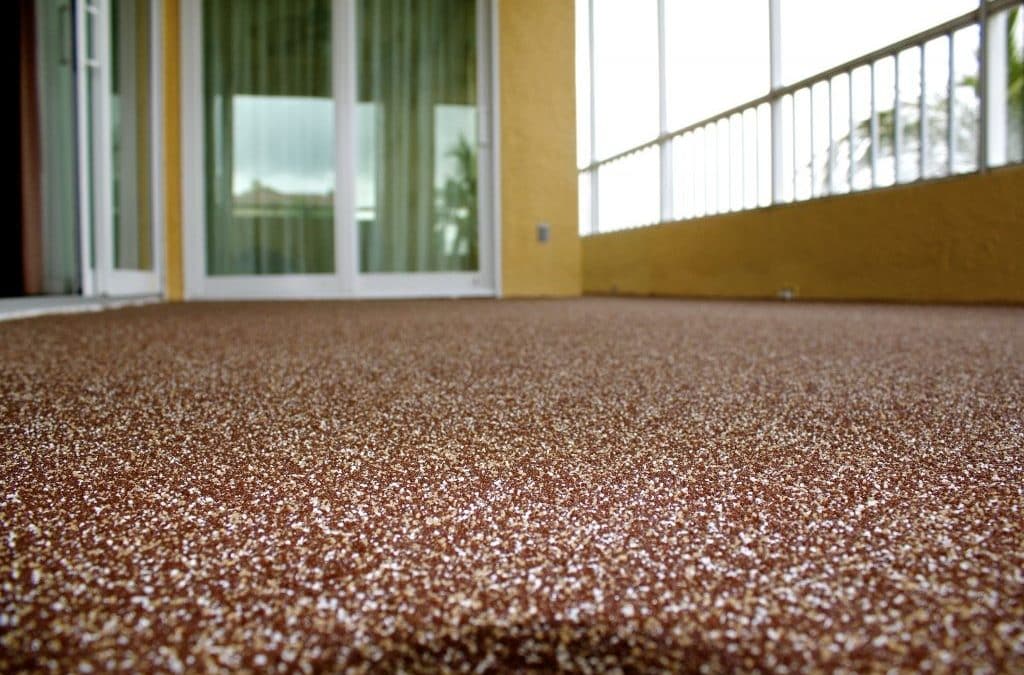
Some people think grinding a concrete floor is the only way to get it ready for new flooring. But grinding is loud, messy, and often not needed at all. If you want to prepare concrete without extensive grinding, there are easier and safer ways to do it. This guide...
by Brett Thomas | Sep 19, 2026 | PerfectPrimer
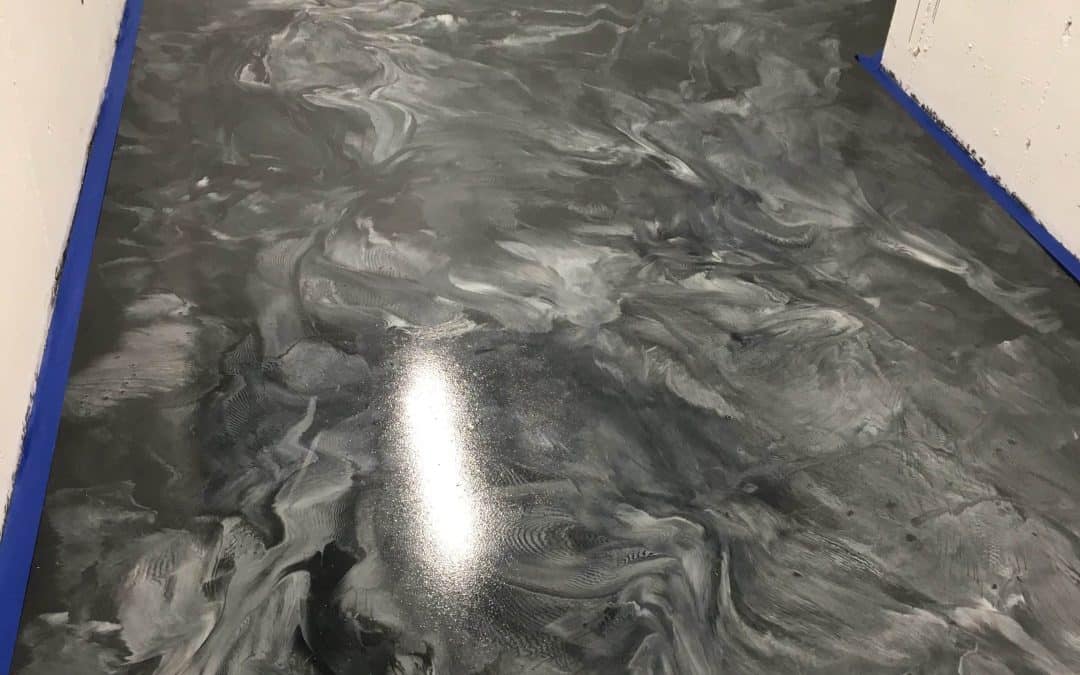
Peeling, bubbling, and flaking floor paint isn’t usually a coating problem; it’s often a moisture problem hiding beneath the surface. Few things are more frustrating than watching a freshly coated concrete floor begin lifting, bubbling, or discoloring...
by Brett Thomas | Sep 18, 2026 | PerfectPrimer
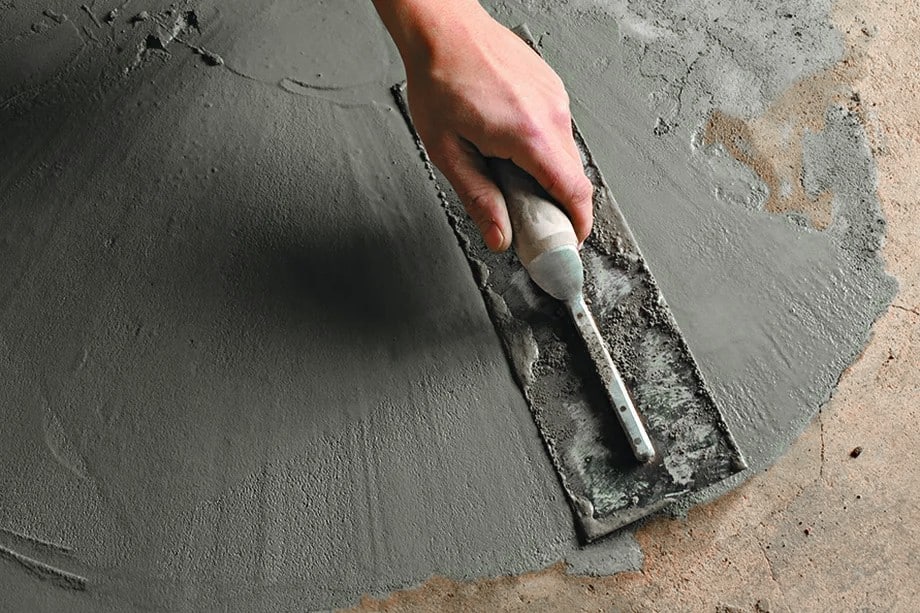
A floor that looks flat can still hide uneven areas, and those imperfections can ruin a new flooring installation before it begins. Whether you’re preparing a subfloor for tile, vinyl plank, epoxy, or laminate, one question often comes up: should you patch the...
by Brett Thomas | Sep 17, 2026 | PerfectPrimer
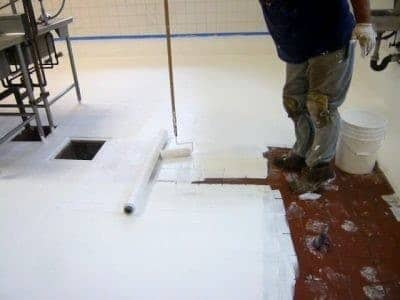
Cracks don’t stay where they start. If your subfloor shifts even slightly, that movement can travel straight up through your grout lines and split a brand-new tile installation in half. It’s one of the most frustrating things that can happen to a tile...
by Brett Thomas | Sep 16, 2026 | PerfectPrimer
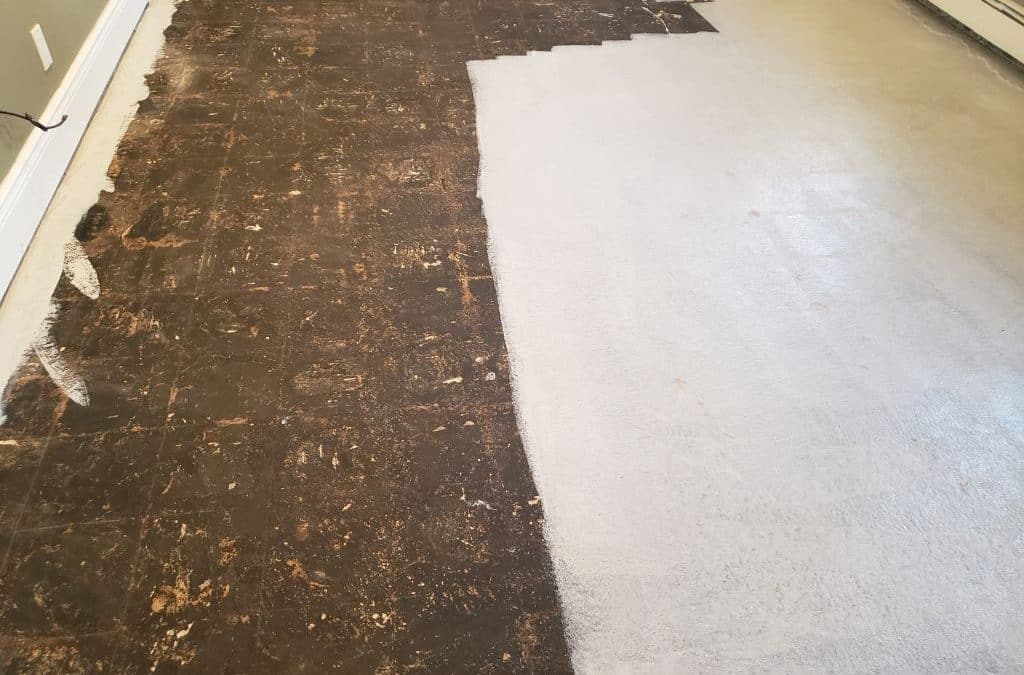
That old black glue under your flooring may be more dangerous than it looks. If you remove old vinyl tile or carpet and find sticky black or brown material on the concrete, you may be dealing with asbestos mastic. Trying to scrape, grind, or dissolve it can release...
by Ross O'Donovan | Sep 9, 2026 | PerfectPrimer
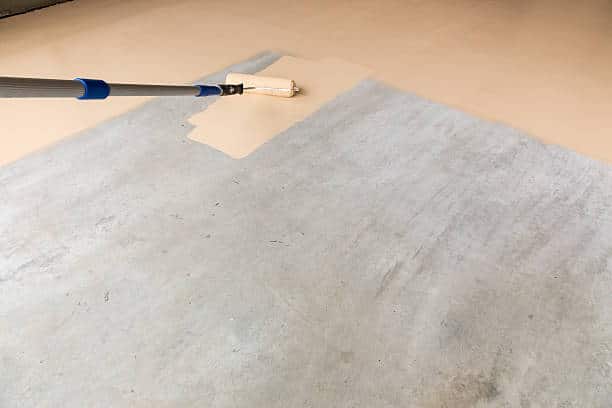
If you uncover black mastic underneath old flooring, one of the first decisions you may face is whether to remove it completely or encapsulate it and leave it in place. Both approaches can be used in different situations, but they are very different in terms of cost,...


