by Brett Thomas | Oct 23, 2026 | PerfectPrimer
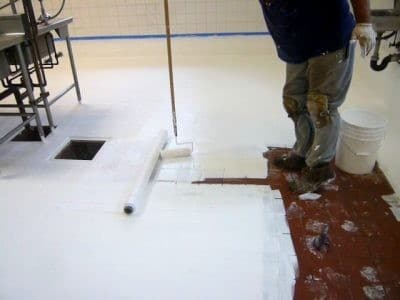
Concrete may look strong, but small movements can cause tiles to crack or grout to break. A concrete uncoupling membrane is a special layer placed between concrete and tiles to help reduce the effects of these movements. Some membranes also protect against water when...
by Brett Thomas | Oct 21, 2026 | PerfectPrimer
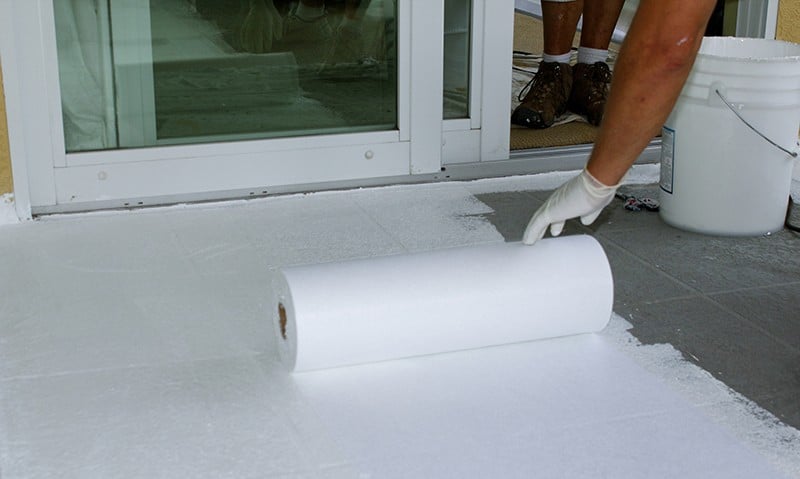
Moisture can hide inside concrete even when the surface looks dry. Over time, this hidden water can damage floors, loosen glue, and cause paint to peel. A concrete moisture barrier helps reduce moisture moving through concrete and protects flooring or coatings. It can...
by Brett Thomas | Oct 19, 2026 | PerfectPrimer
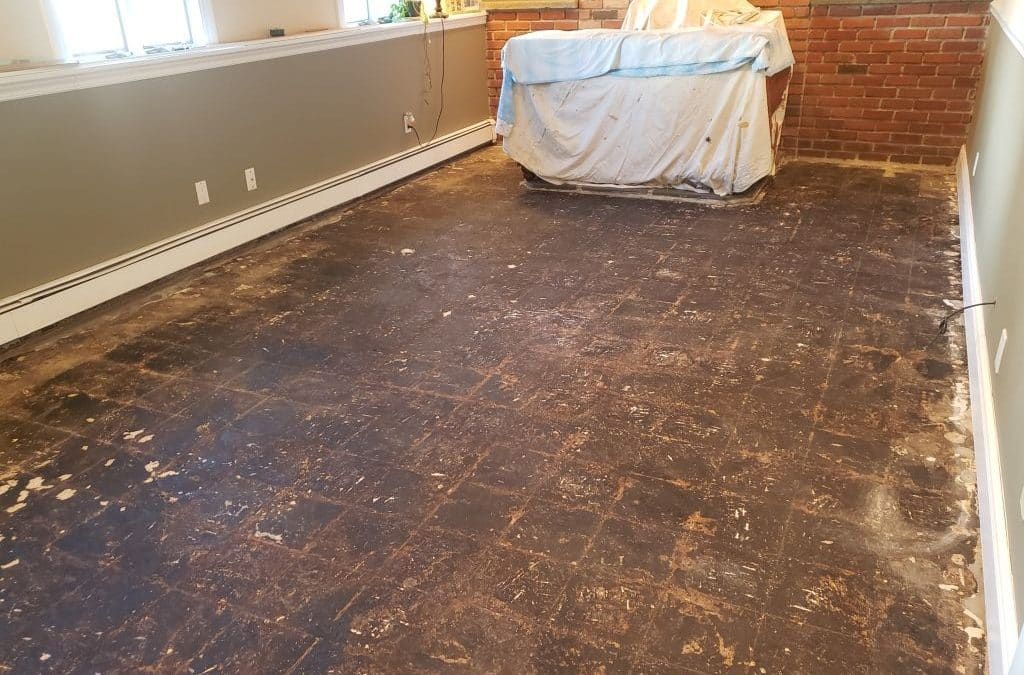
Old floors can hide a sticky problem underneath! Black mastic is a dark glue used to hold floor tiles in place. Some older types contain black mastic asbestos, which can be harmful if disturbed and released into the air. Removing this glue is difficult because it...
by Brett Thomas | Oct 17, 2026 | PerfectPrimer
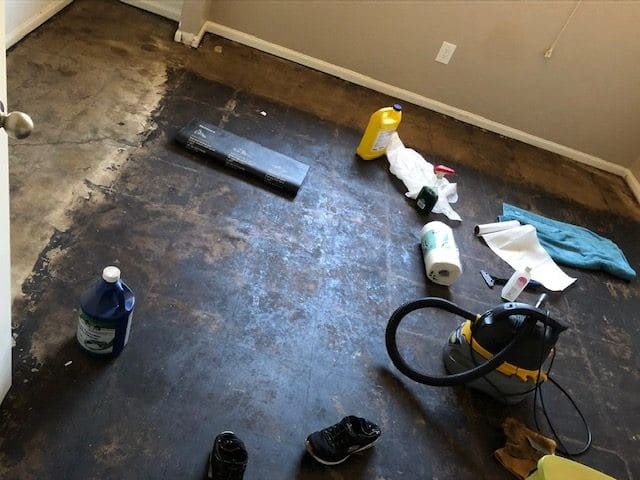
Black mastic removal and encapsulation are two ways to deal with old flooring glue that may contain asbestos. Removal takes the glue away, while encapsulation covers it with a special coating to help prevent exposure to harmful fibers. If your floor contains black...
by Brett Thomas | Oct 15, 2026 | PerfectPrimer
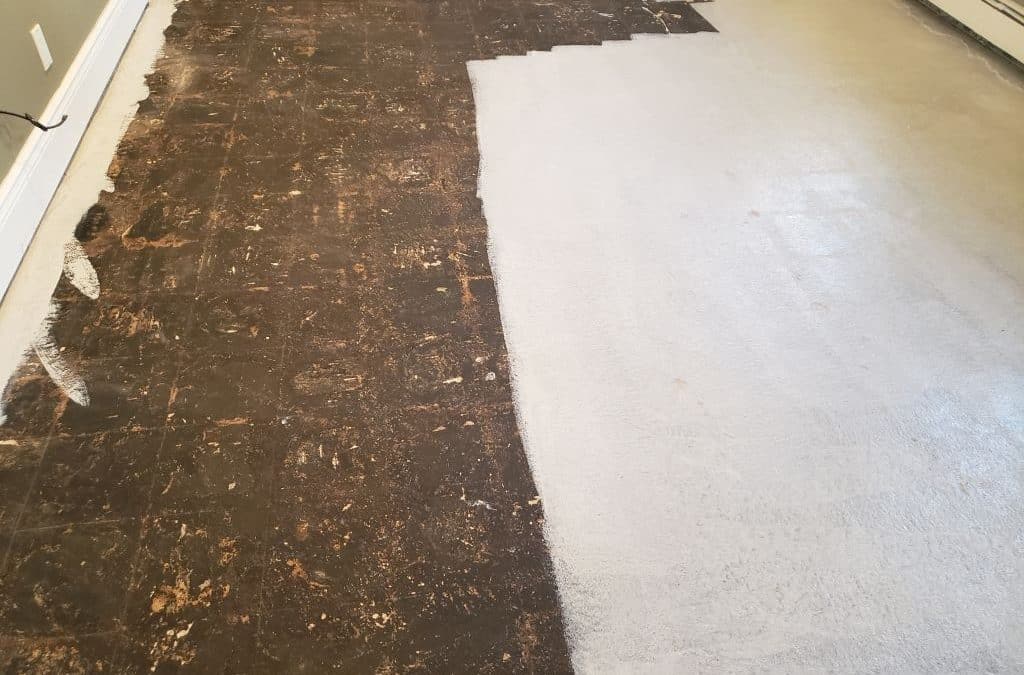
Old flooring adhesive can make a straightforward flooring renovation surprisingly difficult. The safest approach to preparing asbestos mastic for a new floor coating is to leave it undisturbed, assess its condition, and apply an appropriate encapsulating primer only...
by Brett Thomas | Oct 14, 2026 | PerfectPrimer
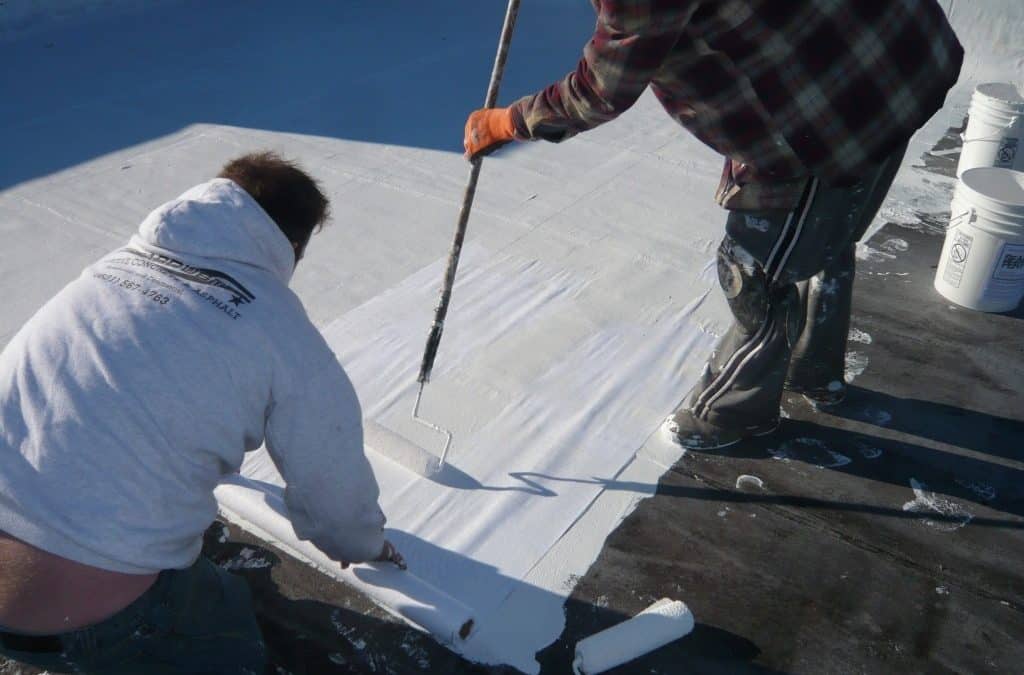
Old concrete floors can hide a risk that is not easy to see. Some old floor tiles and black adhesives contain asbestos, a material that can harm health when tiny fibers enter the air. Asbestos encapsulation helps manage this risk by sealing the material instead of...


